
Garage Floor Sealer vs Coating: Which One Does a Seattle Slab Actually Need?
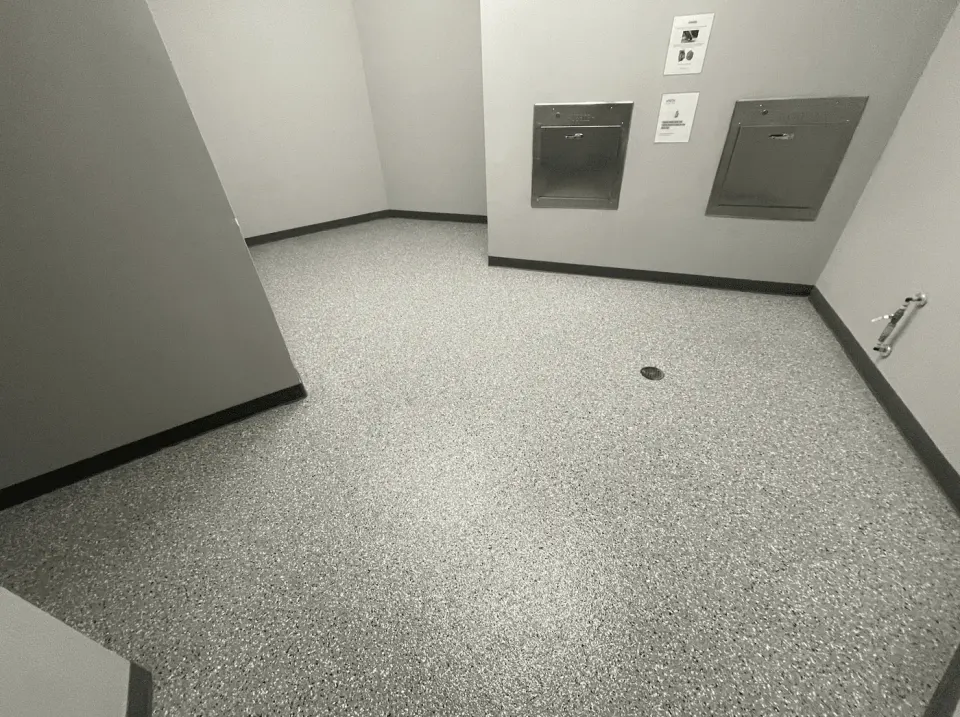
Short answer: A sealer and a coating do different jobs. A sealer is a thin, clear treatment that keeps a dry slab from dusting and sheds a little water. It wears off in a year or three, and it does nothing about moisture from below, cracks or hot tires. A coating is a built floor: ground concrete, a flexible base coat, flake, and a clear polyaspartic top coat that seals the concrete against oil, salt and spills for 15 to 20 years. For a Seattle garage that cars use, the coating is the one that lasts. A sealer is the right answer for a dry slab you want to keep bare.
"Concrete sealing" and "garage floor sealer" are what a lot of people search for when what they really want is a floor that stops dusting and staining. Here's what each one actually does, when a sealer is enough, and why a coating is what we install in a garage.
What a concrete sealer does, type by type
"Sealer" covers three different products. Each goes on a clean slab in an afternoon, none is thick enough to stand up to tires, and none fills a crack.
- Acrylic sealer, a film. A thin clear coat that sits on top and gives a wet look. It's the cheapest and easiest to roll on, and the weakest under cars: hot tires can lift it, it's slick when wet, and on a damp slab it clouds white and peels. Expect to redo it every year or three, sooner in the tire lanes.
- Silane or siloxane, a penetrating water repellent. It soaks into the top of the slab and makes the concrete shed water without changing the look. Silane goes deeper, and siloxane stays nearer the surface. It's what goes on driveways, where it helps against freeze-thaw and road salt. Makers rate it for longer than a film, but it does little against motor oil, and the beading fades first in the tire lanes.
- Lithium silicate, a densifier. Not really a sealer. It reacts with the lime in the concrete and fills the pores with new, hard crystal, which stops a dusty slab from dusting. It's a one-time treatment that doesn't wear off, but it doesn't repel water or oil, so it's often topped with a guard.
What a coating does
A coating is a system, not a can. The slab gets diamond-ground, the cracks get repaired, the moisture gets tested, a barrier primer goes down if the slab needs it, then a polyurea base coat, a full flake broadcast and a clear polyaspartic top coat with anti-slip grit. The finished floor is one continuous, waterproof layer, many times thicker than a sealer, bonded into the concrete. It seals the slab against oil, brake fluid, road salt and water from above. It takes hot tires, it hides repaired cracks, and it lasts 15 to 20 years and more. The layers are on the garage floor coating page.
Side by side
| Sealer | Coating system | |
|---|---|---|
| Thickness | A few thousandths of an inch, or none | A built floor, many times thicker |
| Stops dusting | Yes | Yes |
| Oil, salt and stains | Slows them down | Sit on top, wipe up |
| Hot tires | Film sealers lift | Resists, and it's warrantied |
| Cracks | Untouched | Repaired and hidden under the flake |
| Moisture from below | Nothing; film sealers bubble | Tested; barrier primer when needed |
| Looks | Bare concrete, maybe a wet look | A flake floor in the blend you choose |
| Life | 1 to 3 years | 15 to 20+ years |
| Cost | Low, and repeated | Higher, once |
When a sealer is the right call
- A dry, sound slab you want to keep looking like concrete: a shop with a polished-concrete look, or a storage garage that never sees a car.
- Outdoor slabs, where a penetrating sealer helps with freeze-thaw and road salt.
- A slab you plan to coat later and want to keep the dust down on meanwhile. There's a catch, covered below.
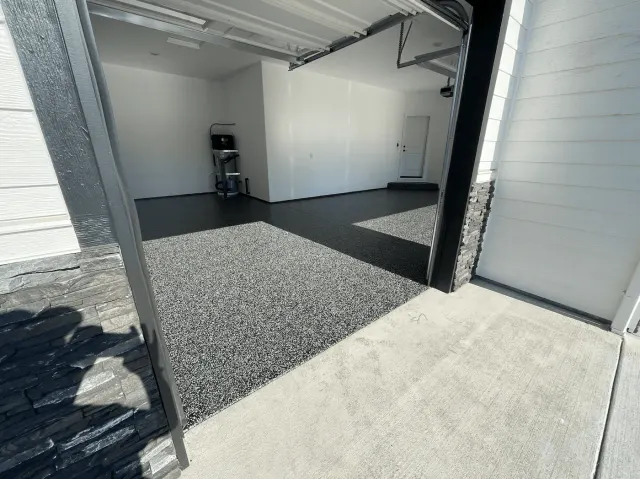
When a coating is
- Any garage that cars use. Hot tires and winter salt kill a sealer fast.
- A slab with cracks, pitting at the door, or old stains you want gone, since the grind and repair happen anyway.
- A Seattle slab that shows moisture. A sealer can't help with it. A coating system starts with the test and the barrier primer. See do you need a moisture barrier.
- A garage you want to look finished.
"How do I seal my garage floor from moisture?"
This is the question behind most sealer searches in Seattle, and the honest answer is that a sealer on top doesn't do it. Moisture comes up through the slab as vapor. A surface sealer either lets it through or bubbles trying to stop it. What stops it is a barrier primer on the bare, ground slab under a coating, which is a different product in a different place. The full explanation, including the test that tells you whether your slab needs it, is in why garage floors fail in Seattle.
What a sealer does decide is whether the slab can still breathe. A penetrating sealer or a densifier lets vapor pass, so it can't blister. An acrylic film traps it, which is why acrylic on a damp slab clouds white or peels in patches. Some penetrating products are sold as moisture blockers. They can slow vapor down, but none stops it, and the standard flooring makers use for moisture barriers leaves them out: it only covers products that form a continuous film.
Sealing now and coating later
It's a common plan: seal the slab to keep the dust down, then coat it in a few years. It works, with one cost attached. Whatever goes on has to come off before a coating can bond.
- A film sealer sits on top and comes off in the diamond grind.
- A silane or siloxane soaks in and makes the concrete shed liquids, coatings included, so the grind has to go below the treated layer to fresh, thirsty concrete. Silane goes deepest.
- A densifier doesn't block a coating chemically, but it leaves the surface harder and tighter, so it takes more grinding to open up.
Not sure what's on your slab? Drip some water on a clean spot. If it soaks in and darkens the concrete within a few minutes, little is in the way. If it beads or sits, something is there. Tell the estimator what you used, by brand if you know it. How the grind deals with it is on our garage floor prep page.
Sealer vs coating: the cost per year
A sealer is cheap per coat, but you keep buying it. HomeGuide's 2026 cost guide puts professional concrete sealing at about $1 to $3 a square foot, so roughly $450 to $1,350 for a 450-square-foot garage, and sealer at $30 to $80 a gallon. Doing it yourself, two coats on that garage take three to six gallons.
Spread over the one to three years a sealer lasts under cars, a hired job costs about $150 to $1,350 a year, and a do-it-yourself one about $30 to $480 a year, plus a weekend each time. A coated floor on the same garage is about $1,800 to $5,400 once, or about $90 to $360 a year over 15 to 20 years. For a slab nobody drives on, the sealer wins on price. Under cars, a hired sealer costs as much per year as a coating, or more, and does far less. Every option, from sealer to tiles, is ranked on our garage flooring options page.
What we offer
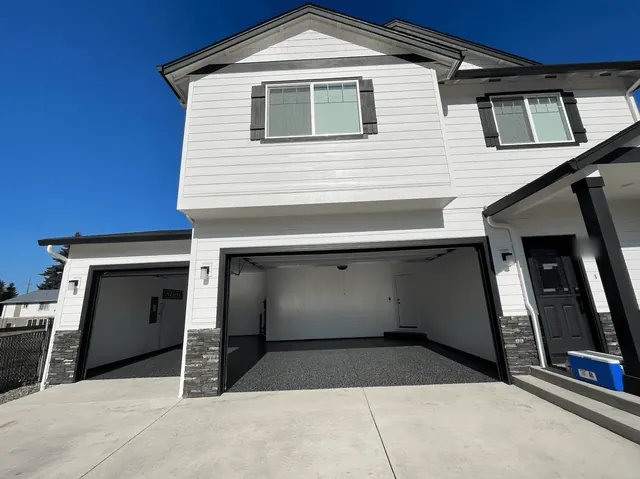
We install coating systems: garage, basement, patio and pool deck floors, each of which seals the concrete as part of a built floor. We don't sell sealer-only treatments. If a sealer is honestly all your slab needs, we'll say so at the estimate rather than sell you a floor you don't need.
Sealer vs coating questions
Is it better to seal or coat a garage floor?
For a garage that cars use, coat it. A sealer stops dusting and sheds a little water for a year or three. A coating system seals the concrete against oil, salt and spills, hides repaired cracks, takes hot tires and lasts 15 to 20 years. A sealer suits a dry slab you want to keep bare.
Does a garage floor coating seal the concrete?
Yes. The finished floor is one continuous layer bonded into the ground concrete. Water, oil and road salt sit on top and wipe up. Moisture from below is handled separately, by a barrier primer under the coating when the slab needs one.
Can you put a coating over a sealed garage floor?
Only after the sealer is ground off. A film sealer acts like a release layer under a coating, and a penetrating sealer can weaken the bond, so tell the estimator and it gets removed during the diamond grind.
How long does a concrete sealer last on a garage floor?
One to three years, less in the tire lanes. Film sealers also lift under hot tires and bubble on a slab with moisture coming up through it.
Does sealing a garage floor stop moisture?
Not moisture from below. A surface sealer lets vapor through or bubbles trying to stop it. A barrier primer under a coating system is what stops it, after a moisture test shows the slab needs one.
Do you offer concrete sealing in Seattle?
We install coating systems for garages, basements, patios and pool decks, each of which seals the concrete as part of the floor. We don't offer sealer-only treatments. If that's all a slab needs, we'll say so at the estimate.
What is the best sealer for a garage floor?
It depends on the job. To stop a bare slab dusting, a lithium silicate densifier, which doesn't wear off. To shed water and road salt, a silane or siloxane penetrating sealer. Skip acrylic film sealers under cars, because hot tires lift them and they're slick when wet. For oil, salt and daily parking, a coating does what no sealer can.
How can you tell if a garage floor has been sealed?
Drip a little water on a clean, dry spot. If it soaks in and darkens the concrete within a few minutes, there's little or no sealer. If it beads up or just sits there, something is on or in the slab. A very smooth, hard-troweled slab can fool the test, so check a few spots.
Not sure which your slab needs?
A free on-site estimate includes a moisture reading and a straight answer, even if the answer is a sealer.
Get A Quote