
Garage Floor Coating in Everett, WA
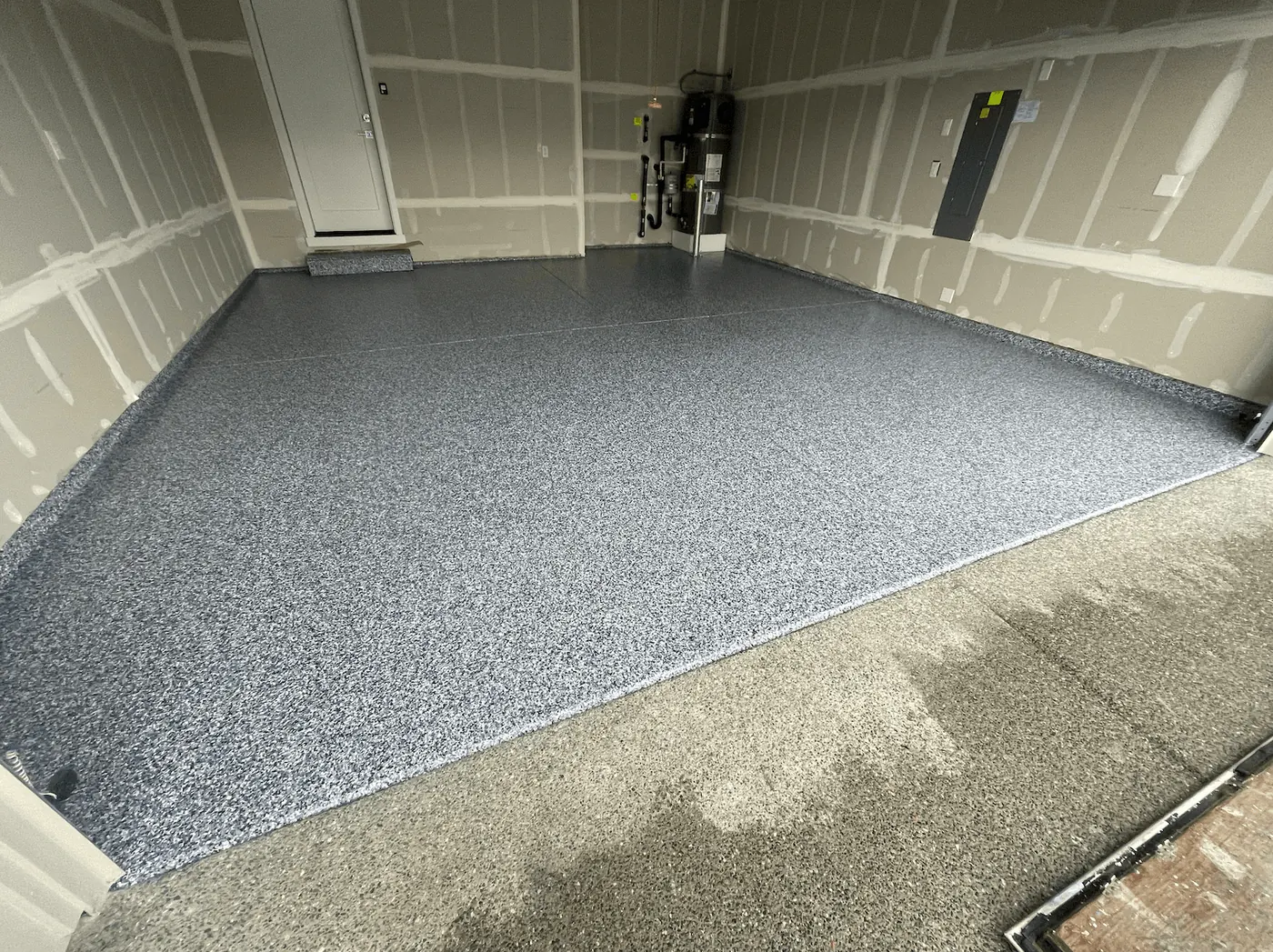
A one-car garage off a north Everett alley, or a south Everett two-car with years of oil soaked into it. Our garage floor coating turns either one into full flake under a clear topcoat you can hose off. The estimate is free, and we do it at your house.
- Free estimate, at home
- Moisture test first
- Park again in 72 hours
- Lifetime adhesion warranty
How our Everett garage floor coating goes down
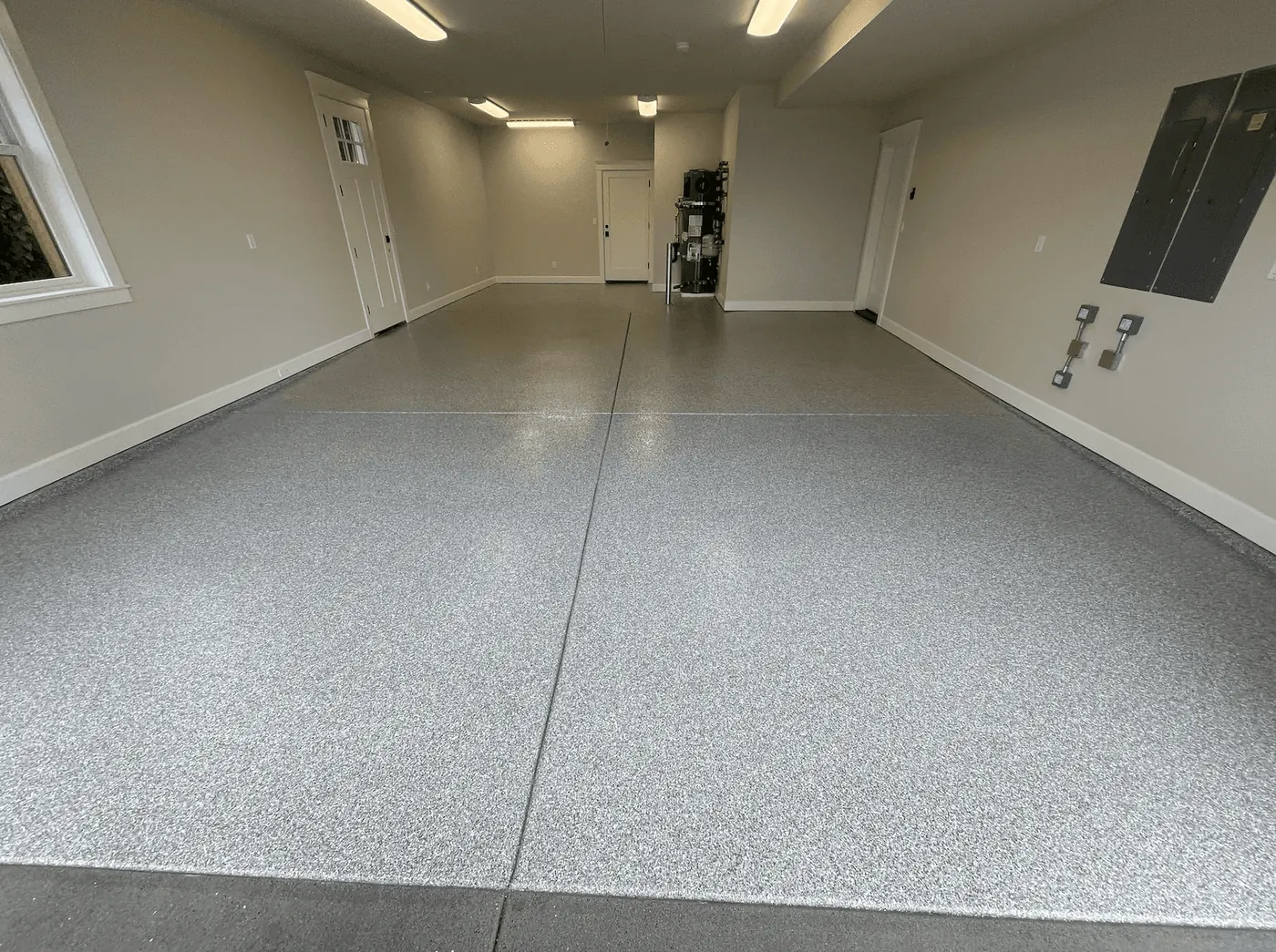
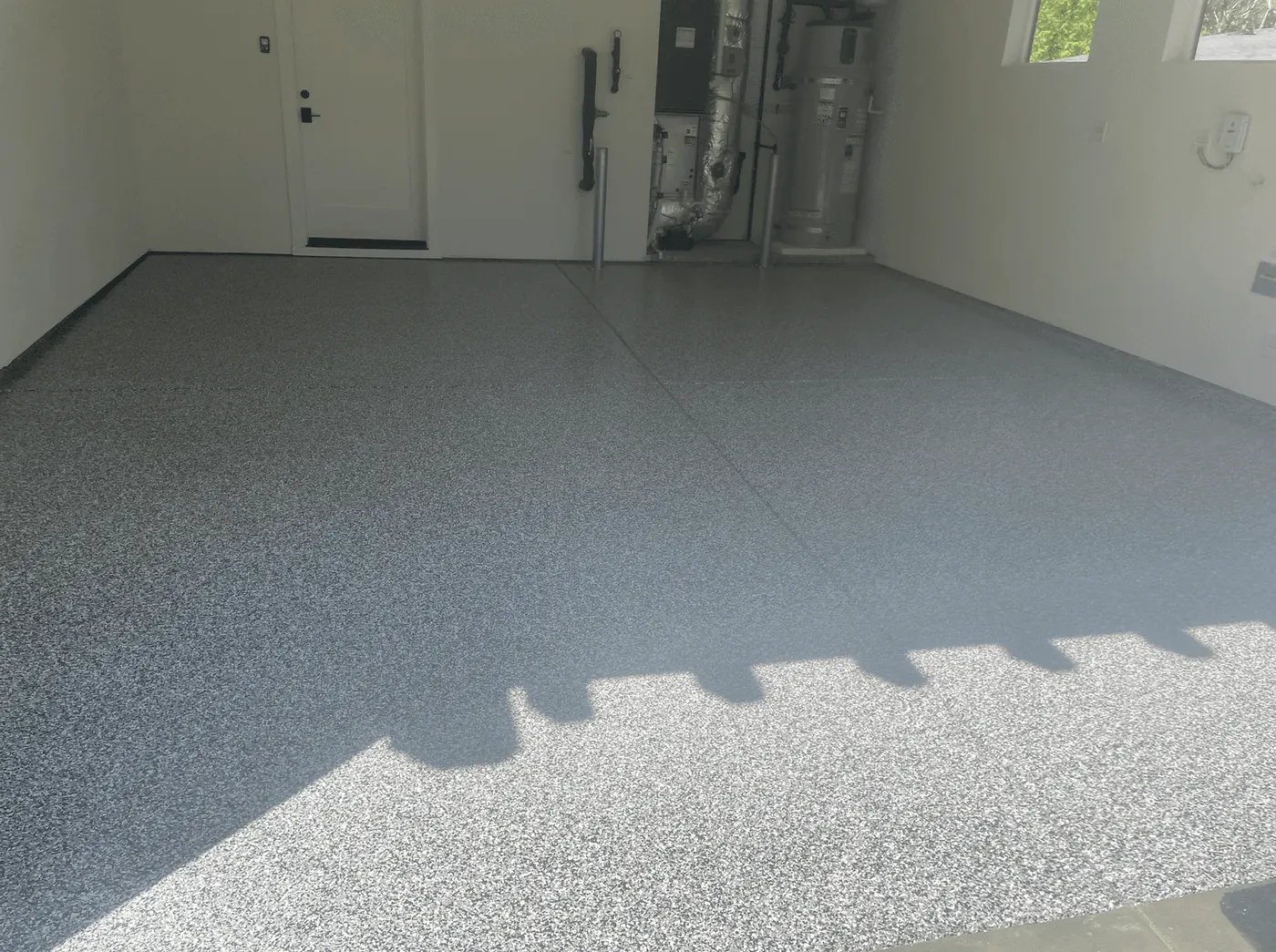
Task Force Garage coats garage floors all over Everett, WA, from the alley garages in Riverside to the subdivisions around Silver Lake. We moisture-test and diamond-grind your slab and fill the cracks. Then we lay a polyurea base, a full broadcast of vinyl flake and a clear polyaspartic topcoat with anti-slip grit. The estimate is free, at your house.
Looking at epoxy flooring in Everett? What we install is the upgrade over an epoxy floor, with the same prep and the same flake look. It cures faster and flexes with the slab, and the sun coming in the door won't yellow it. You park on it after 72 hours, about four days sooner than epoxy allows.
Everett's garages run from very old to fairly new. Nearly half of Snohomish County's pre-1940 homes are here, and the south end is full of younger subdivisions. An old slab and a young one need different things, and we'll tell you which yours is before you see a price.
You get that price in writing, line by line, with time to think it over.
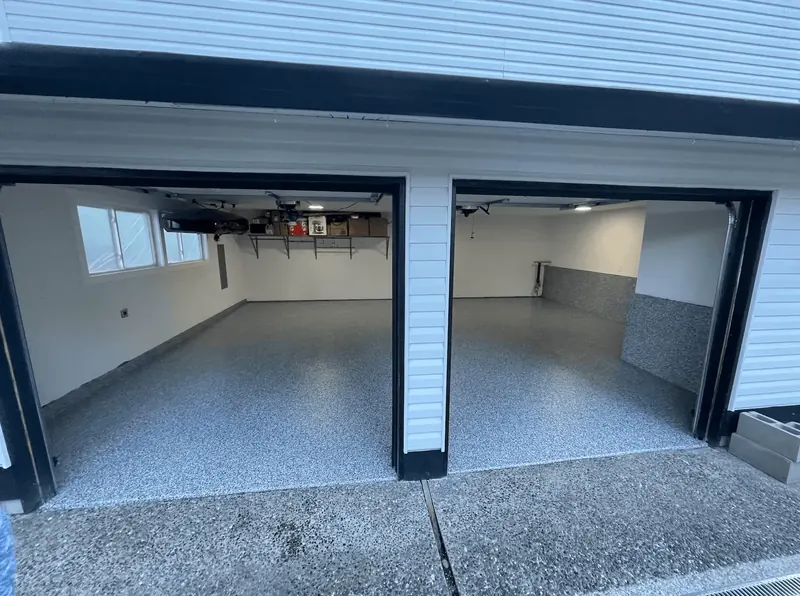
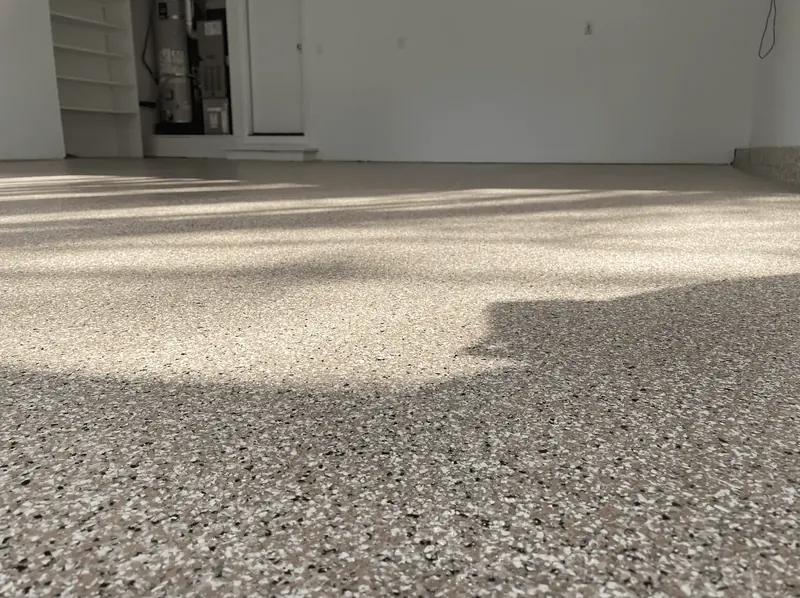
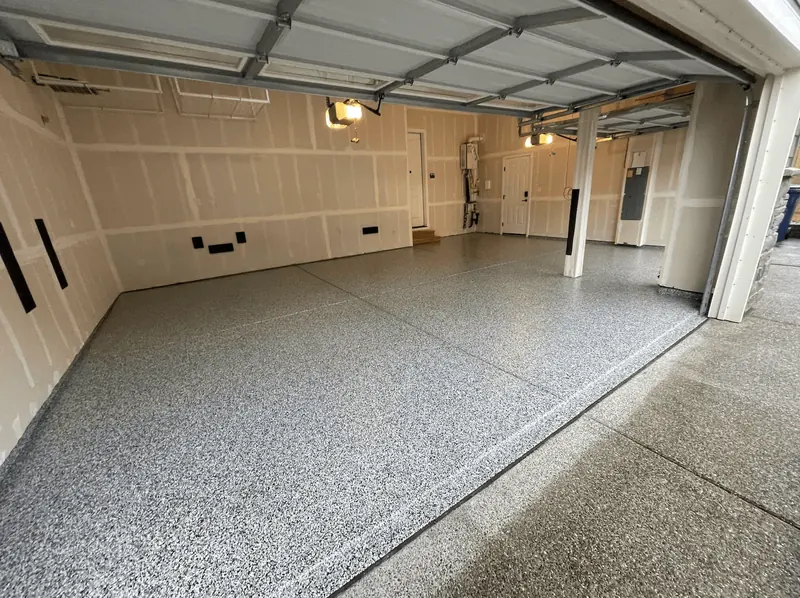
Is your Everett garage out back, off the alley?
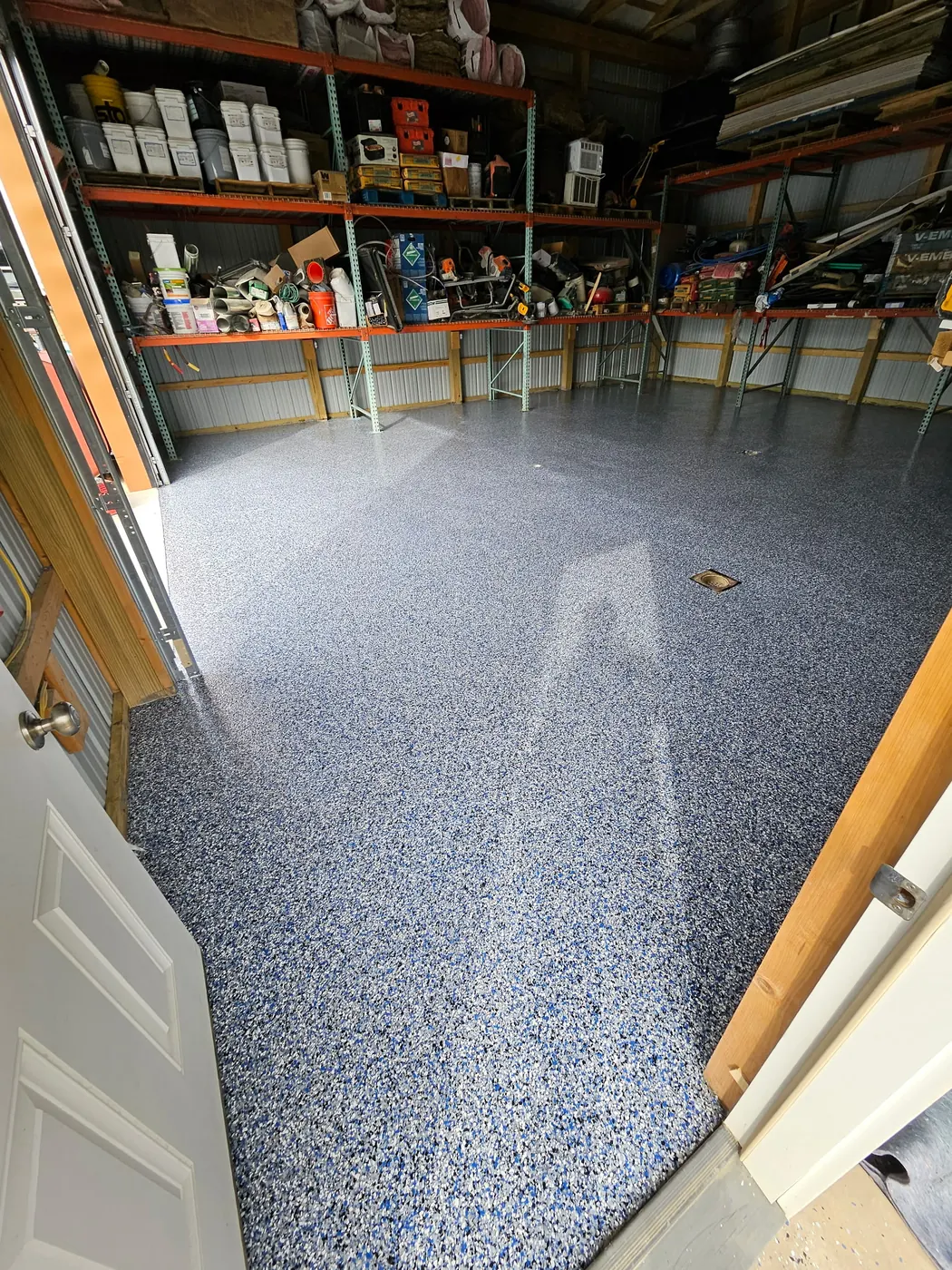
Up in Riverside and Northwest Everett, a lot of houses went up before 1940. In Riverside, the garages were built off the alleys, out of sight of the street. If yours is one of them, its slab may be older than anything you've parked on it.
Old garage slabs tend to tell their story: paint from a few owners back, a patch or two, cracks that wander. Underneath, there's almost surely no plastic sheet. We grind off the old paint and fill every crack flush, then moisture-test the slab, since a house that old counts as one warning sign by itself.
An alley garage is no trouble for us. Mention it when you book, so the truck comes around back.
Coated, that dim old garage turns into a bright room you'll want to use, whether it holds a car or a workbench.
Newer slabs around Silver Lake and the south end
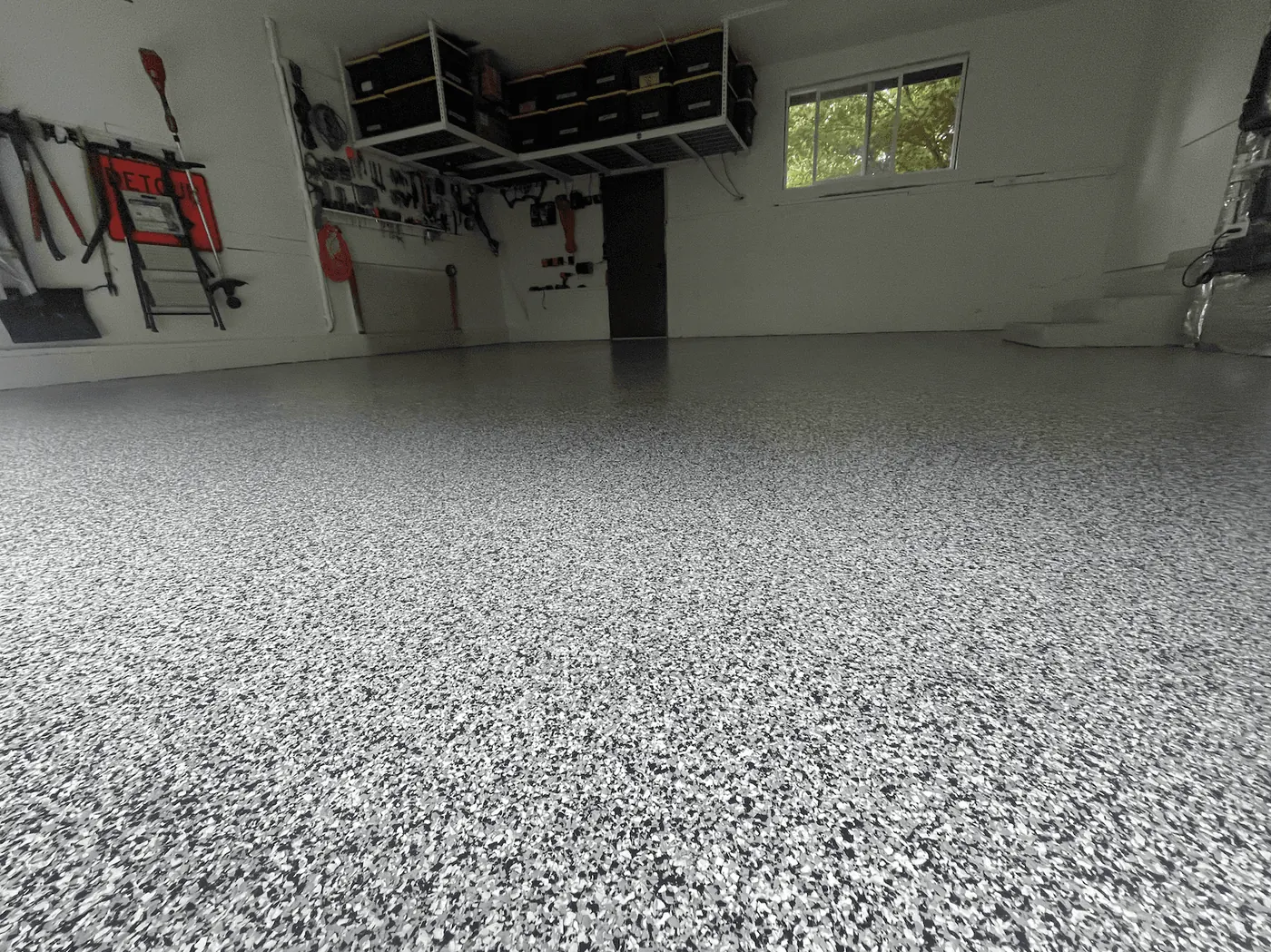
South Everett grew up with the Boeing plant from the late 1960s on. Its garages are mostly younger than the north end's. Around Silver Lake, Cascade View and Twin Creeks, you'll mostly find subdivisions with two-car garages.
A younger slab usually needs less work, which helps your price. Expect settling cracks along the control joints and the oil spots every commute leaves. Those grind out, and full flake hides the patch lines.
Your newer slab still gets the meter. The building code never required plastic under a garage slab, so a 1990s floor gets the same test as a 1920s one. If it reads dry, your floor goes down in one day.
Four questions we ask an old Everett slab
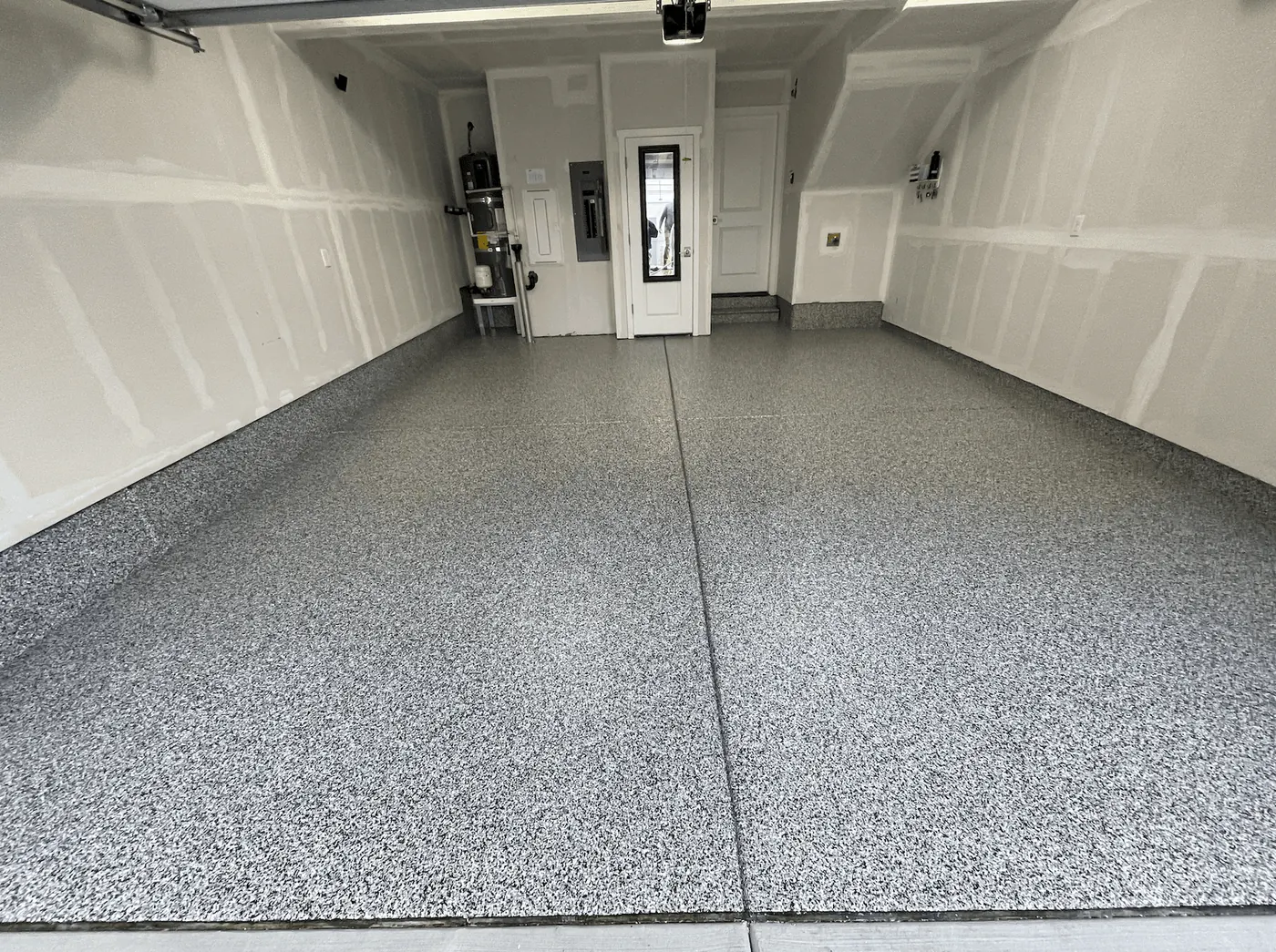
We read your floor before we price it. On an older slab, these four questions decide most of the job, and you'll hear our answer to each one at the estimate.
-
Is there paint or a kit on it?
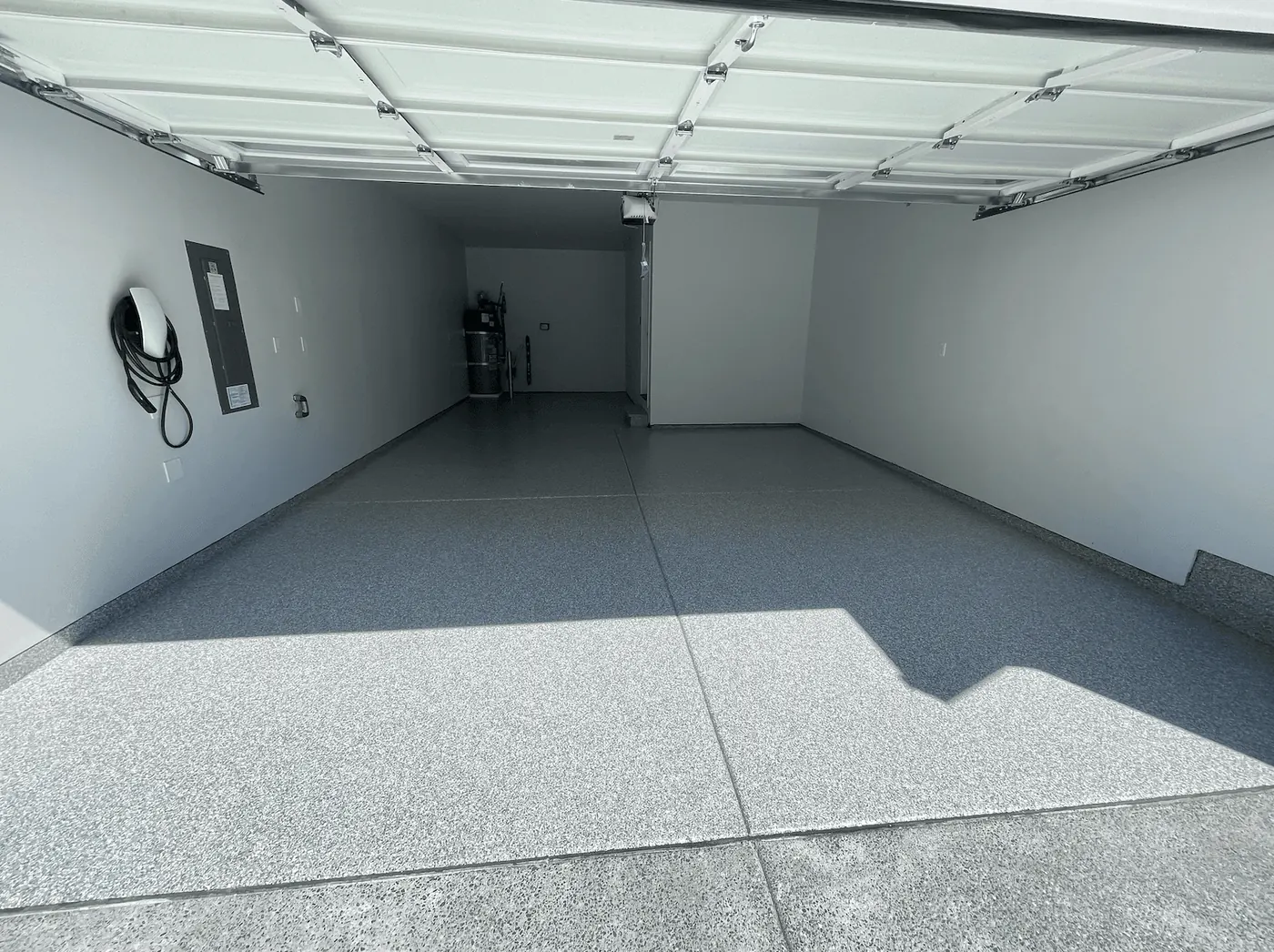
Old paint, sealer or a peeling kit has to come off, or nothing new will hold. Our diamond grinders take your slab down to clean concrete, edges included. Here's more on coating over old epoxy.
-
Which cracks have moved?
Every crack and control joint gets filled and ground flush before the base coat. If a section has heaved or sunk badly, a coating can't fix that, and we'll tell you so. See how we handle a cracked garage floor.
-
Is moisture coming up?
We meter-test in more than one spot and look for white chalky deposits and dark patches. A high reading, or two signs together, means our barrier primer goes down first and your job runs two days.
-
Where does the water go?
Some old garages slope to the door or to a floor drain. We keep that slope and coat right up to the drain, so your floor still sheds water the way it was built to.
What an Everett winter does to bare concrete
Here's a normal Everett year, from the city's own weather station. Your garage floor sits through all of it.
- 40 in.of rain, wettest in November
- 50+nights at or below freezing
Your bare slab soaks up that rain. On a freezing night the water inside expands and can pop small flakes off the top. Ahead of a freeze, city crews brine the bridges and overpasses first. Then sand and salt go down on the hills and at the intersections, and all of it rides home on your tires.
On your coated floor, the salt and slush stay on top until you squeegee them out the door. Our system also cures in the cold that stalls epoxy, so you can book a fall or winter install once your slab passes the moisture test. Most people call in spring, so you'll usually find winter dates easier to get.
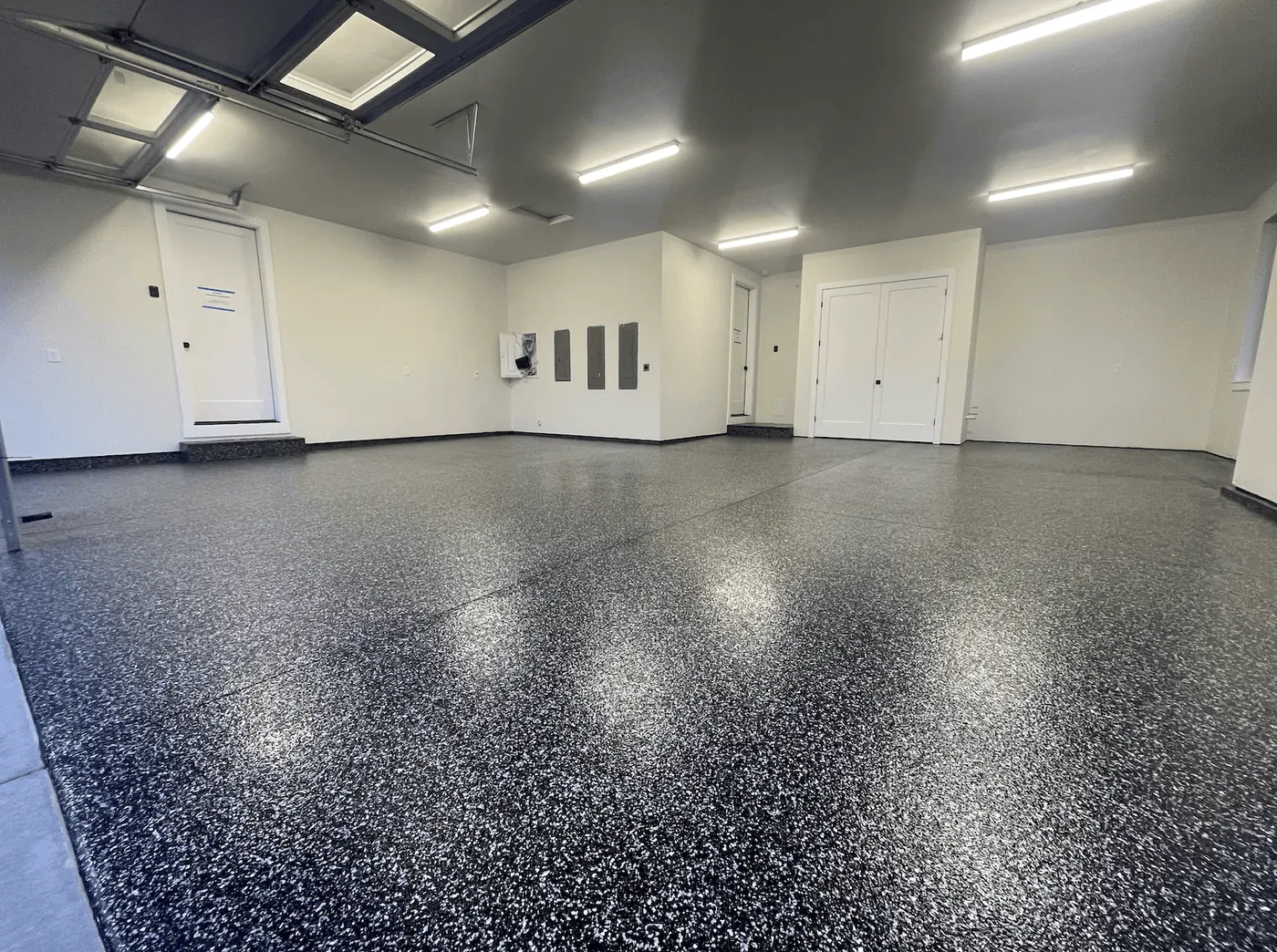
Your Everett install, from first grind to first parking
It takes one working day on a dry slab, or two when the barrier primer goes down. Here's how your days run.
Grind and prime
We diamond-grind your slab, fill the cracks and joints, and vacuum as we go. If your slab needs the barrier, the primer goes on now and cures overnight.

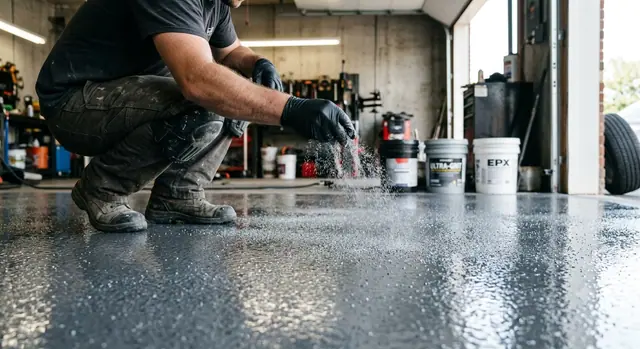
Base and flake
The polyurea base coat goes down in your color. We broadcast vinyl flake into it by hand until no base coat shows anywhere.
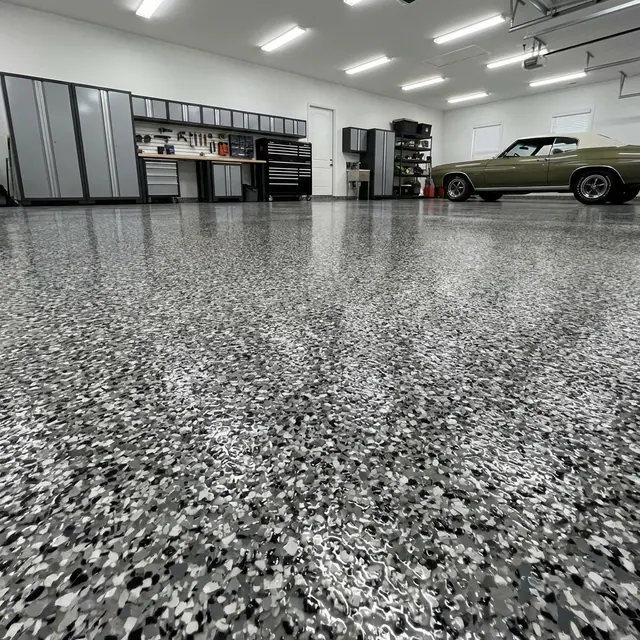
Clear topcoat
We scrape and vacuum the loose flake, then roll on the clear topcoat with anti-slip grit. You can walk on it the next morning.
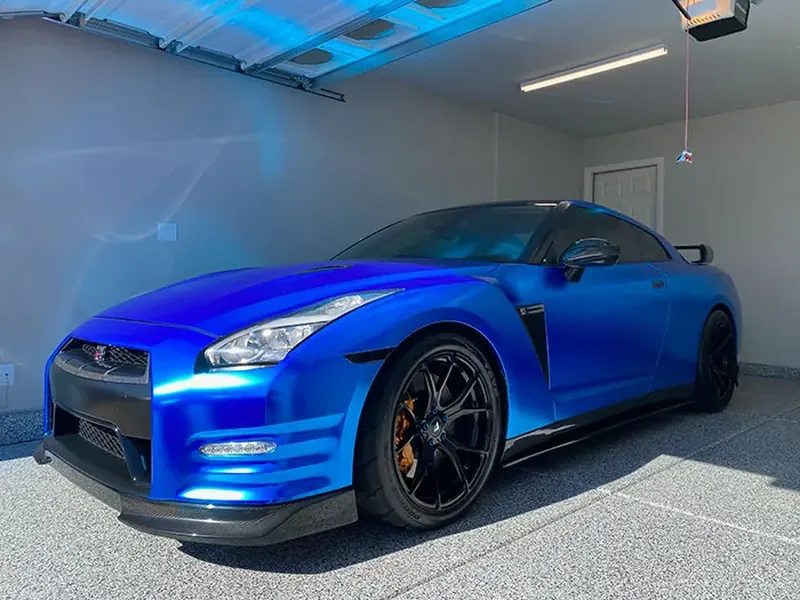
Park in 72 hours
Bring the car back three days later. The floor keeps hardening for a week or so, so slide heavy things gently at first.
Everett garage floor coating cost
Plenty of north-end alley garages hold one car, and most south-end garages hold two. Here's where pro-installed floors usually land across the Seattle area.
- $835–$3.3Ka one-car garage
- $1.6K–$5.8Ka two-car garage
Your exact number comes in writing after the estimate. On an old slab, paint to grind off and cracks to fill can push it up. If your slab needs the barrier, Premium already includes it, along with cove base, coated steps if you have them, a flake design session and a one-year checkup.
Our Seattle-area cost guide covers every garage size.
Everett, north to south
We cover all of Everett, in ZIP codes 98201, 98203, 98204 and 98208. Here's a sample, roughly from the river down to Silver Lake. Don't see yours? You're covered.
- North and central
- Riverside
- Northwest
- Delta
- Bayside
- Lowell
- View Ridge
- South end
- Silver Lake
- Cascade View
- Twin Creeks
- Evergreen
- Pinehurst
- Holly
Live just over the line? We also cover Mukilteo, Mill Creek and Marysville.
Flake colors for an old house or a new one
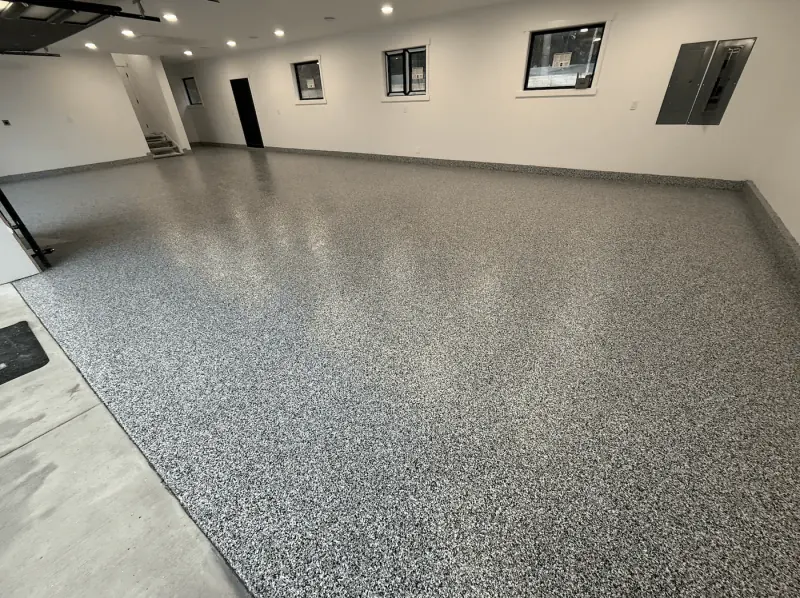
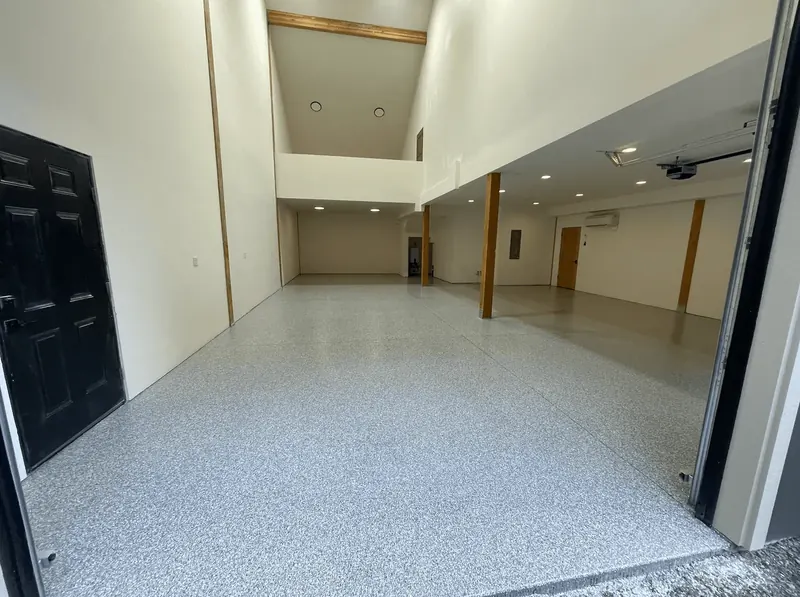
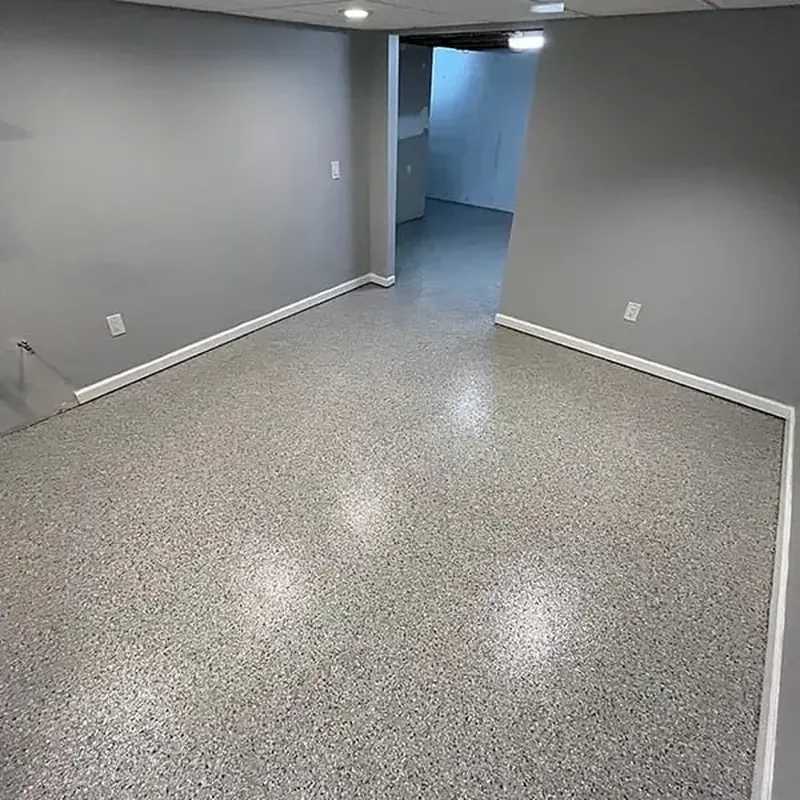
Seven blends from finished floors. Busy, darker blends hide winter grit, and light ones brighten a dim alley garage. See the full gallery, or try a color on a photo of your own garage.



Everett garage floor questions
How much does garage floor coating cost in Everett, WA?
Across the Seattle area, most pro-installed two-car floors run about $1,600 to $5,800, and a one-car costs less. An old slab with paint to grind off and cracks to fill lands higher in its range. You get a written, itemized price after the free estimate, with no pressure to sign.
Do you install epoxy flooring in Everett, WA?
We install the upgrade over epoxy flooring. It's a polyurea base coat and a clear polyaspartic topcoat, over the same ground prep and with the same full-flake look. It keeps curing in a cold garage, flexes as the slab moves and holds its color in the sun. Your car is back in three days instead of about a week. See how it compares.
Can you coat a detached garage off the alley?
Yes. A detached alley garage gets the same moisture test, grind and crack repair as any other. An old one often has paint to take off and a few rough patches, which we grind out and fill. Tell us when you book, and we'll bring the truck in from the alley side.
Is a 1920s Everett slab too old to coat?
Probably not. Plenty of century-old slabs are solid under the stains. A slab that old almost surely has no plastic under it, so we test yours in several spots and look for chalky deposits and damp patches. If those call for the barrier primer, your install runs two days.
What is the white powder on my old garage floor?
Usually it's mineral salts. Moisture carries them up through the concrete and leaves them behind when it dries. It's one of the warning signs we look for. A second sign or a high meter reading means the barrier primer goes down before your floor does.
Will a winter install hold up in Everett's rain?
Yes, once the slab passes the moisture test. Our system cures in the cold and damp that stall epoxy. On install day we check that your slab and the air sit at least 5°F above the dew point, so no moisture forms under the base coat.
Which Everett neighborhoods do you cover?
All of them. That's Bayside, Boulevard Bluffs, Cascade View, Delta, Evergreen, Glacier View, Harborview-Seahurst-Glenhaven, Holly, Lowell and Northwest. It also takes in Pinehurst-Beverly Park, Port Gardner, Riverside, Silver Lake, South Forest Park, Twin Creeks, Valley View-Sylvan Crest-Larimer Ridge, View Ridge-Madison and Westmont. Just outside the city, we cover Mukilteo, Mill Creek and Marysville too.
Can I still use the garage as a shop after it's coated?
Yes. Rolling tool chests and a workbench are fine on it. Put a small pad under jack stands and kickstands so their weight spreads out, and wipe up spills when you see them. Oil and road salt wipe off the topcoat. On bare concrete, they soak in.
Get a written price for your Everett garage
We'll measure, test your slab for moisture and write up your price line by line. Your floor carries a lifetime adhesion warranty, and the decision stays yours.