
Best Time to Coat a Garage Floor in Seattle (Hint: It's Not Spring)
National advice says spring or fall. In Seattle that's wrong — here's the real window, and how polyaspartic sidesteps it.
Real pricing, moisture science, and honest comparisons — from the crew that tests every slab before coating it. Ready for a quote? See our Seattle garage floor coating page.
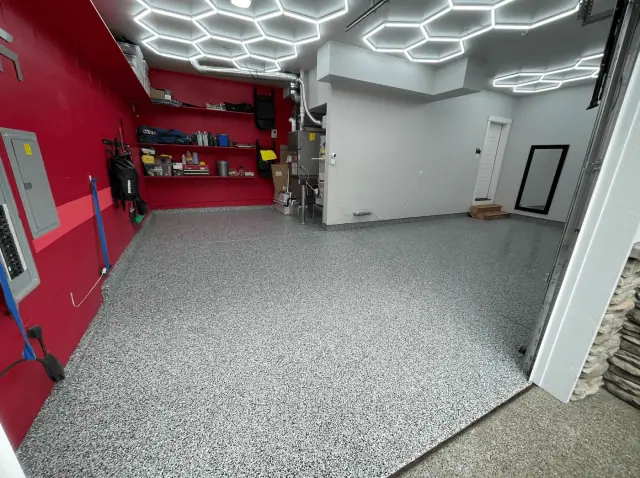
National advice says spring or fall. In Seattle that's wrong — here's the real window, and how polyaspartic sidesteps it.
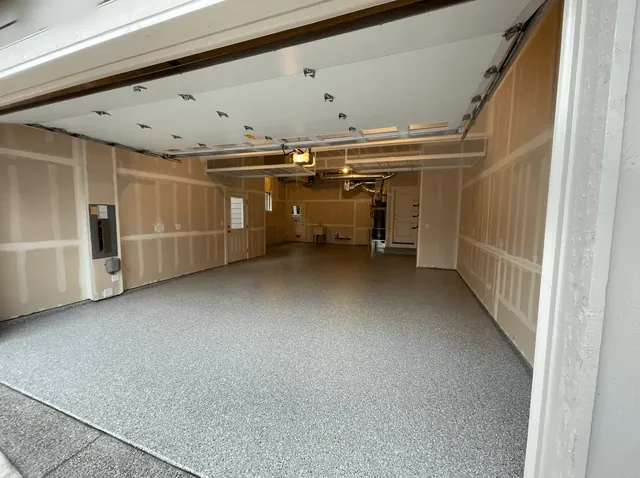
Real 2026 pricing, why quotes for "the same job" can be a third of each other, and what's actually in a Premium system.
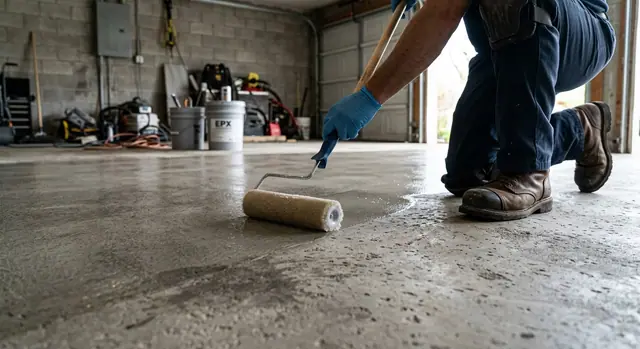
What moisture vapor transmission actually is, the industry standard for it, and a DIY test you can run tonight.
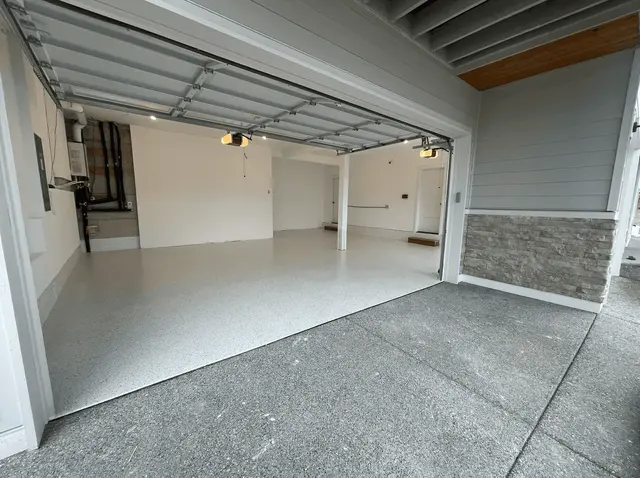
20 minutes, a real moisture test, and a final price in writing — no pressure to sign anything.
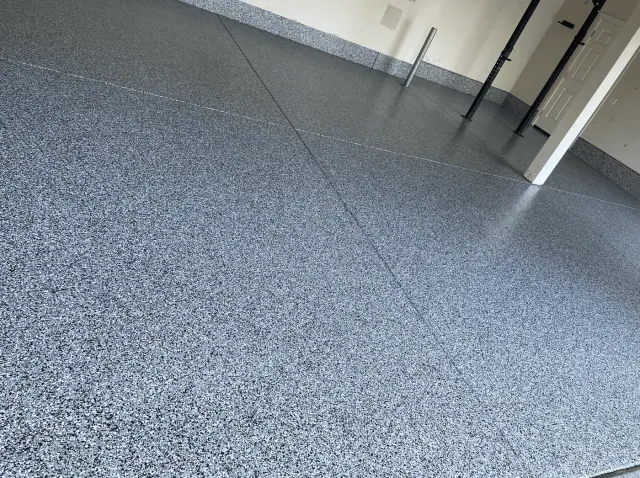
Cure time, UV resistance, and flexibility compared — then decided by Seattle's climate specifically.
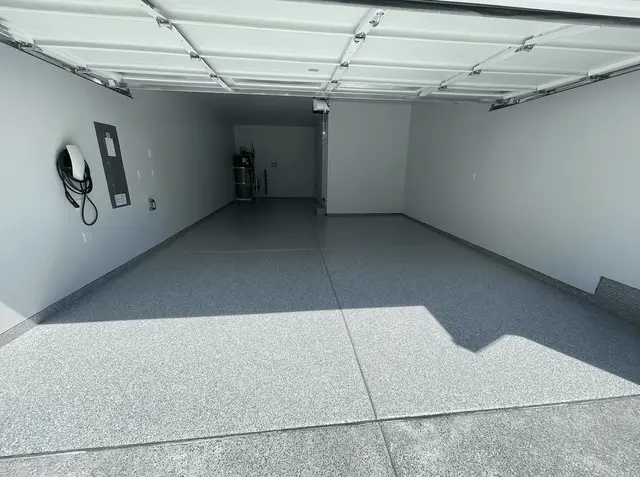
A printable vetting checklist — prep method, moisture testing, warranty wording, and what should be in writing.
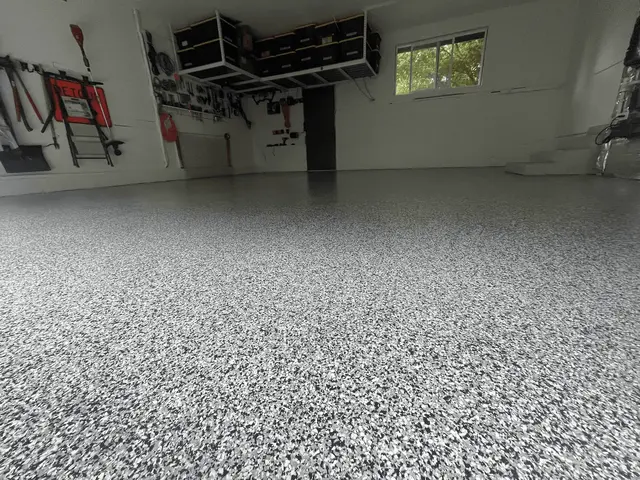
A fair, evidence-based look at where DIY kits hold up and where Seattle's humidity makes them fail faster.
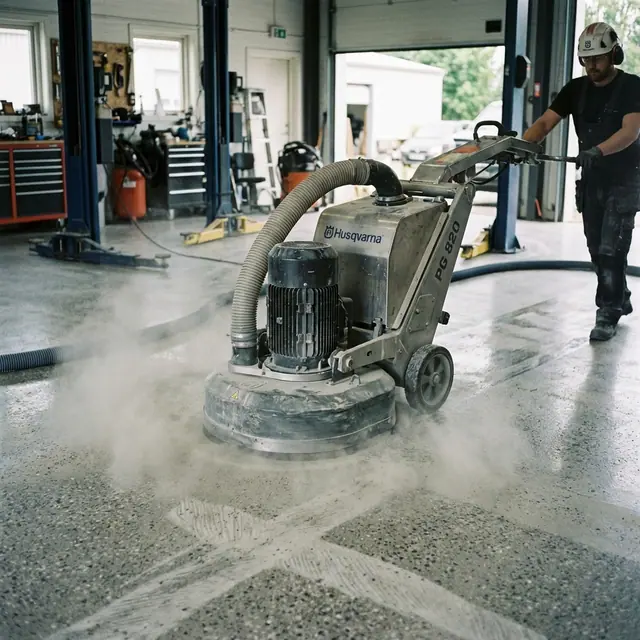
A real hour-by-hour breakdown of an install — one day without a moisture barrier, two with it — plus the cure timeline for walking and parking.
The word on every quote, explained: chemistry, cure and dry times, lifespan, slip, UV, smell, and how it differs from epoxy and polyurea.
The five reasons a floor peels, how to tell which one you have from the way it failed, and what a proper repair involves.
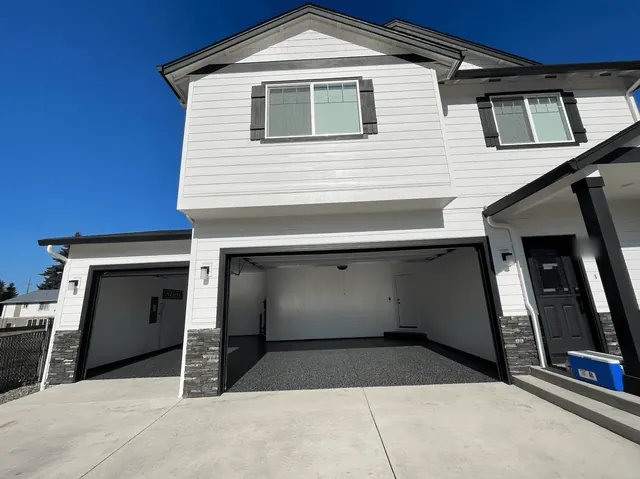
28 days is the minimum, not the finish line. Why new slabs stay wet, the sealer builders spray on, and the vapor barrier your garage may not have.
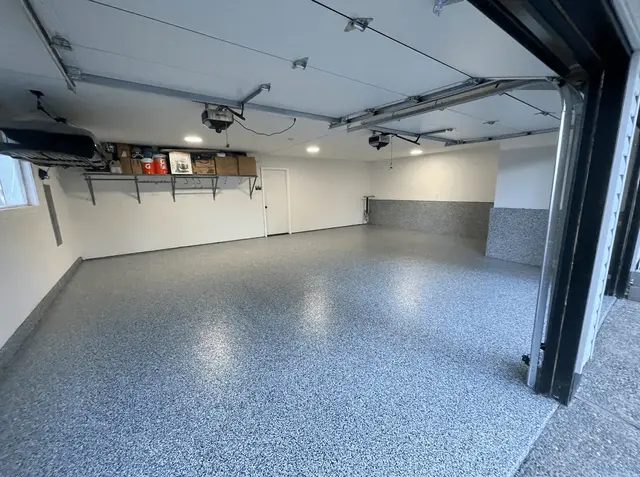
Who it pays off for, who should skip it, what it does for resale, and why the prep matters more than the product.
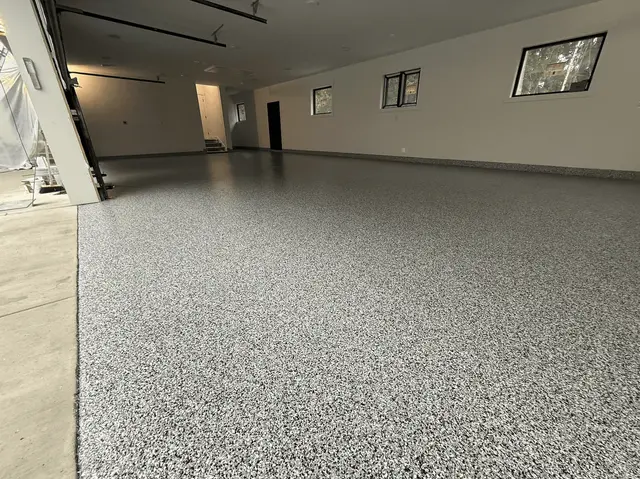
The weekly routine, safe and unsafe cleaners, road salt after a freeze, and the few things that can actually undo the finish.
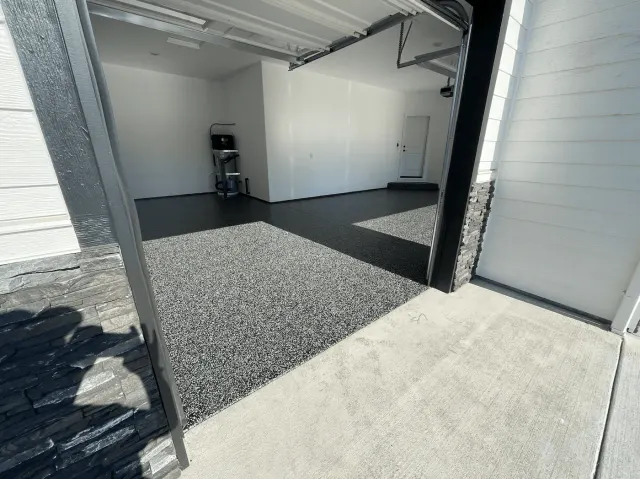
Polyurea is the base coat, polyaspartic is the topcoat. What each does, how they compare with epoxy, and what to ask when a quote says polyurea.
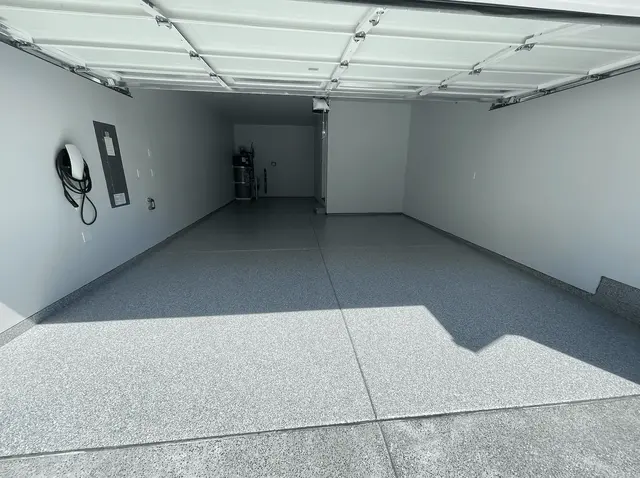
Adhesion is the word that matters. What's covered, what isn't, and the six fine-print clauses to check on any Seattle quote.
What a vapor barrier primer is, which Seattle slabs need one, the test readings that decide it, and the red flags on a quote.
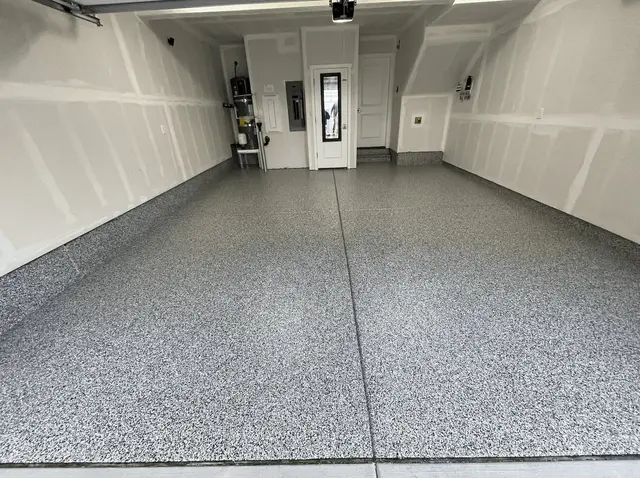
Why smooth gloss is slick when wet, how full flake and grit in the topcoat fix it, and the grip-versus-cleaning trade-off to decide before install day.
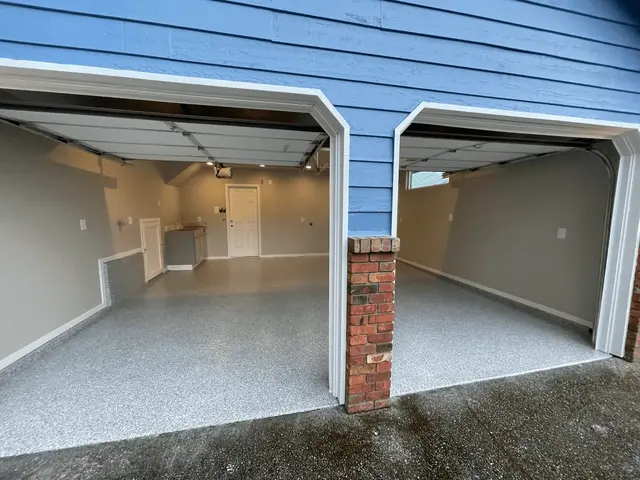
One to three years, three to seven, or fifteen to twenty-plus. What actually sets the number, what wears first, and how to extend it.
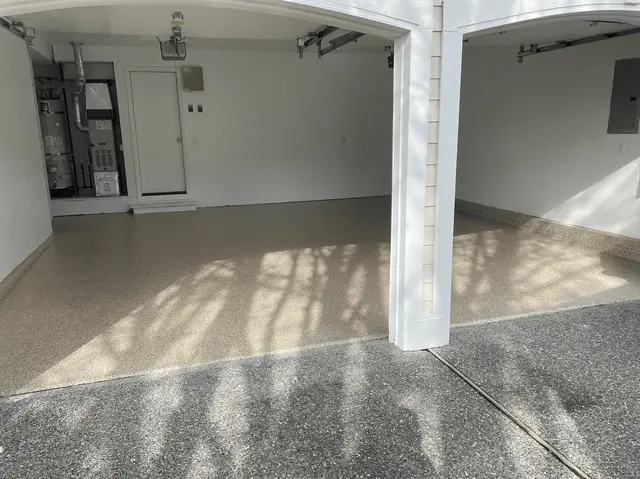
Paint, sealer, stain, water-based and 100% solids epoxy, polyurea and polyaspartic: how each goes on, how it cures, and what a cold, damp slab does to it.
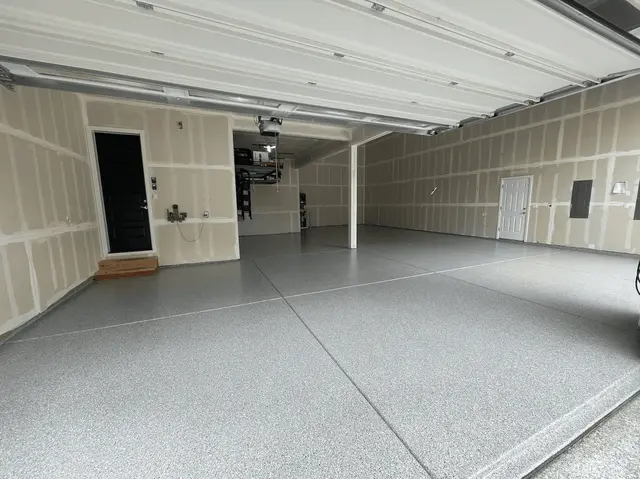
Per square foot, by garage size, and why polyaspartic costs more than epoxy per gallon but not much more installed.
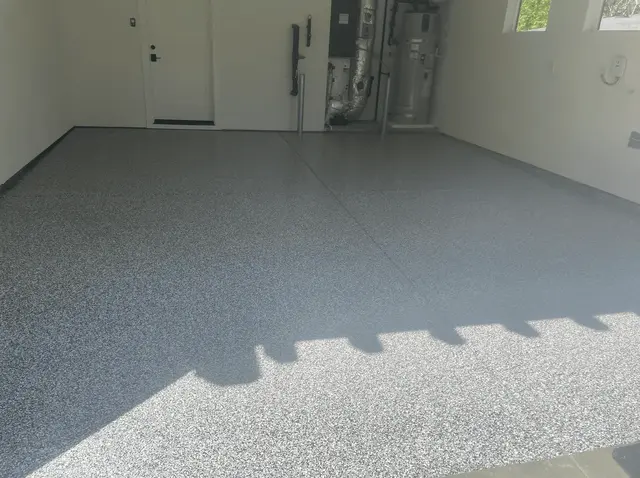
Which cracks are routine and which aren't, why a coating can't go over an open crack, what the repair involves and what it does to the price.
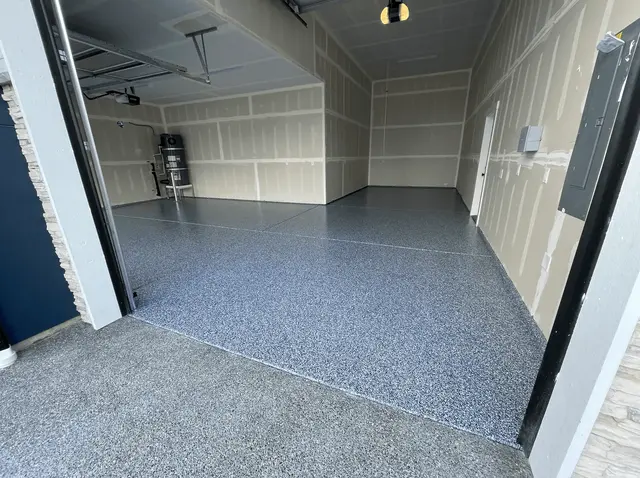
Ideas beyond color: flake size, gloss and grit, cove base and stem walls, and floors for workshops, gyms, EV and show garages, from real Seattle-area garages.
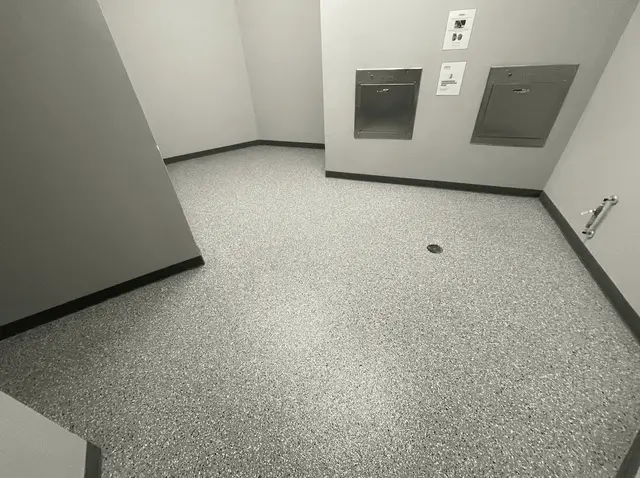
A sealer keeps a dry slab from dusting. A coating is a built floor. Side by side, and when each is the right call.
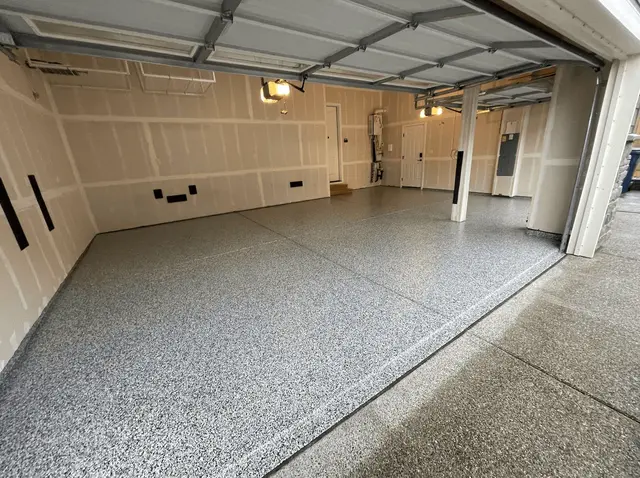
Cost, install time, moisture under tiles, tire stains, dents and lifespan, compared honestly for a damp climate.
Resurface, coat or replace? How to read your slab, what each fix leaves you with, and what each costs per year of floor.