
Epoxy Floor Installers in Seattle: Compare Us
Every epoxy flooring contractor in Seattle says they're the best. We'd rather hand you the checklist: how coating companies differ, what to get in writing and what our crew does on every floor. Get three quotes, ours included.
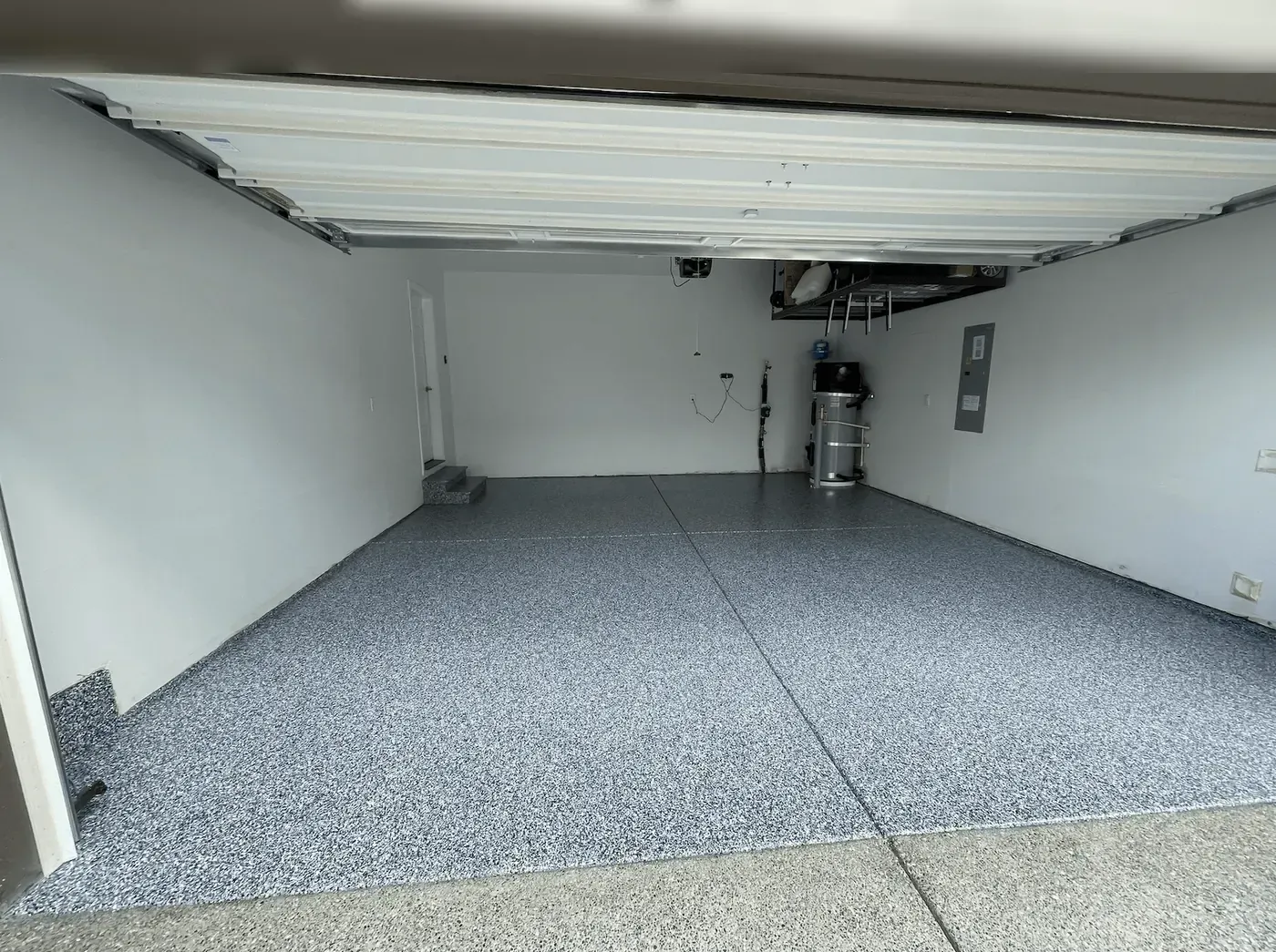
- Free 20-minute estimate
- Exact price in writing
- Installed in 1–2 days
- Lifetime adhesion warranty
What separates good epoxy floor installers from the rest
Here's the uncomfortable truth about hiring garage floor epoxy installers: on the day the job is done, every floor looks great. Cheap or expensive, a guy with a van or a national brand, you can't tell them apart by looking, and neither can your neighbors.
Where they come apart is two or three winters later, and it's always the same two things: how far the concrete was ground, and whether anyone tested the slab for moisture. So when you compare epoxy floor contractors in Seattle, you're really comparing prep. Here's how to do that without a chemistry degree.
- 3quotes is plenty
- 6questions that sort them
- 20 minfree estimate
The four kinds of epoxy floor installers in Seattle
Search "epoxy floor installers near me" and the map fills with pins. Nearly every one falls into one of these four groups, each with an honest upside and an honest catch.
 Franchise
National brands
A known system, a branded warranty and a polished sales visit. The catch: the crew is local to the territory, so you're buying that crew, not the logo. Ask who actually installs, and for how long.
 Specialist
Local coating specialists
Companies that do nothing but concrete coatings, and the good ones know your slab better than anyone. The catch: the word covers a twenty-year crew and last spring's startup alike. Reviews with photos over several years tell you which.
 Sideline
Painters and handymen
Plenty of trades will coat a floor if you ask, and some do it well. The catch: a coating is a grinding job, not a painting job, and most painting crews don't own a diamond grinder or a moisture meter.
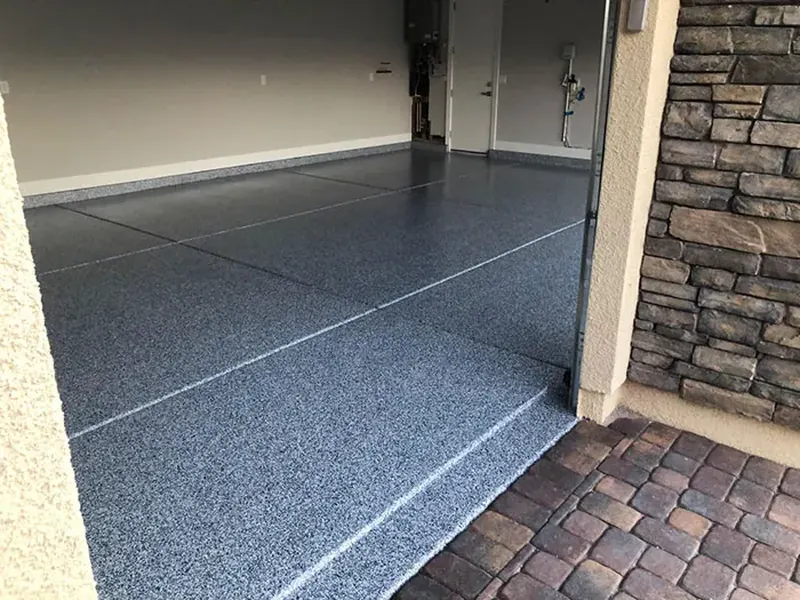 DIY
DIY
The hardware-store kit
You're the installer: a few hundred dollars of material and a weekend. The catch: kits skip grinding, the moisture test and usually the clear topcoat, which is why so many peel by the second spring. Kit vs. pro, honestly.
Six questions for every epoxy floor installer
Not trick questions. A company with a real process answers all six without changing the subject. If one squirms, you've learned something cheaper than a new floor.
-
How do you prep the slab?
Diamond grinding or acid etch? If grinding, how many passes, and are the edges done by hand? One light pass leaves the weak top layer right where it was.
-
Do you test for moisture?
In Seattle, this is the question. Ask how they test, and whether a moisture barrier is included, available or not offered at all.
-
What goes on my floor?
Primer or barrier, base coat, flake and topcoat, by product name. An installer who can't name them isn't thinking about your floor as a system.
-
How do you fix cracks?
"We'll take care of it" is not a method. "Filled and ground flush" is. "Cut open and rebuilt" is. Know which one you're paying for.
-
When can I park on it?
Real hours, not "a day or two." The cure times tell you a lot about the chemistry you're actually buying.
-
What does the warranty cover?
Look for the word adhesion: peeling, blistering, hot-tire pickup. Ask whether it covers labor, whether it transfers, and what voids it.
Six more on price and paperwork, printable: 12 questions to ask a garage floor contractor.
Red flags and green flags when hiring epoxy flooring contractors
You'll see most of these in the first phone call.
Walk away from
- A quote with a total and a color, and nothing else on the page.
- A square-foot price that's a third of everyone else's. That's a different, thinner product, not a deal.
- No mention of moisture. At all.
- "We clean it really well" as the prep method.
- Most of the money due before anyone shows up.
- Pressure to sign today. A real quote holds for the period written on it.
- A warranty explained in slogans instead of sentences.
Good signs
- They test your slab at the estimate, not on install morning.
- They can tell you how many grinding passes and who does the edges.
- Products named. Layers listed. Cure times in hours.
- An itemized, written price that doesn't move on install day.
- Photos of floors from last month, not just the website hero shot.
- They tell you when a coating is the wrong answer for your slab.
- A warranty that uses the word adhesion and says what's excluded.
How our installers answer all six
We'd rather be compared than trusted. The same answers, from the same installers, on every floor we put down in the Seattle area.
- Prep: a coarse and a refining grinding pass, hand grinders on every edge and corner, dust collection running, then a full vacuum.
- Moisture: tested at the estimate and again on install morning. When the slab needs a barrier, it's in the quote, and it's included on Premium.
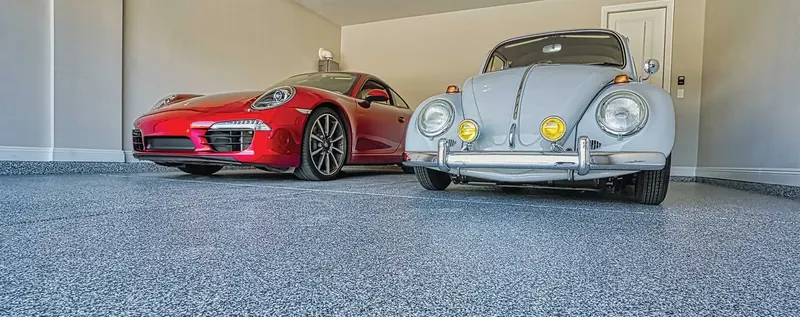
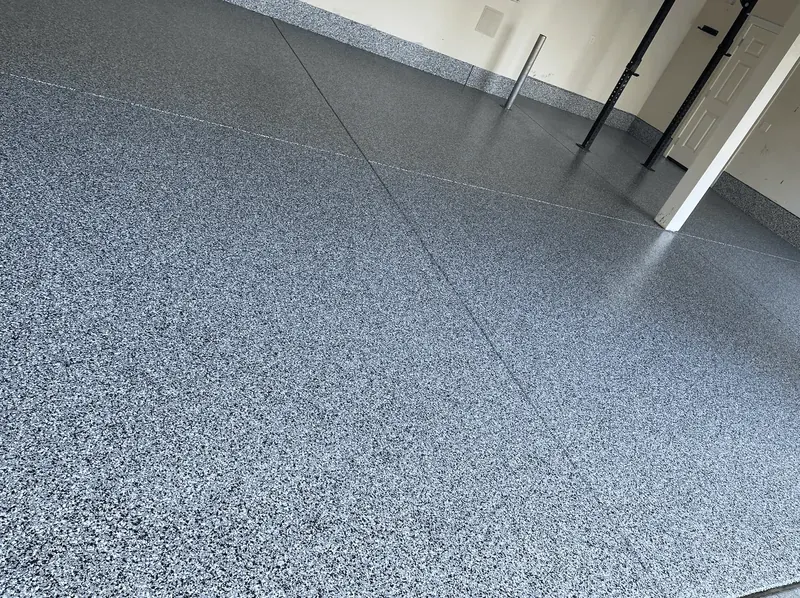
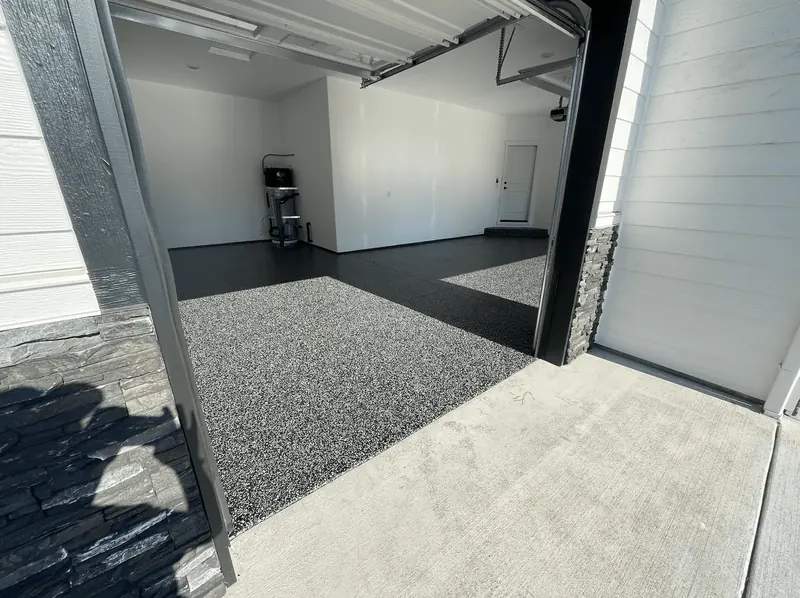
- The floor: a polyurea base coat, full flake by hand and a clear polyaspartic topcoat with anti-slip grit. Every layer, explained.
- Cracks: filled and ground flush on every floor, cut open and rebuilt on Premium. Structural problems get named at the estimate.
- Timing: one day on a dry slab, two with the barrier. Walk on it the next day, park after 72 hours.
- Warranty and price: a lifetime adhesion warranty in writing and an itemized, final price. Nothing to sign on the spot.
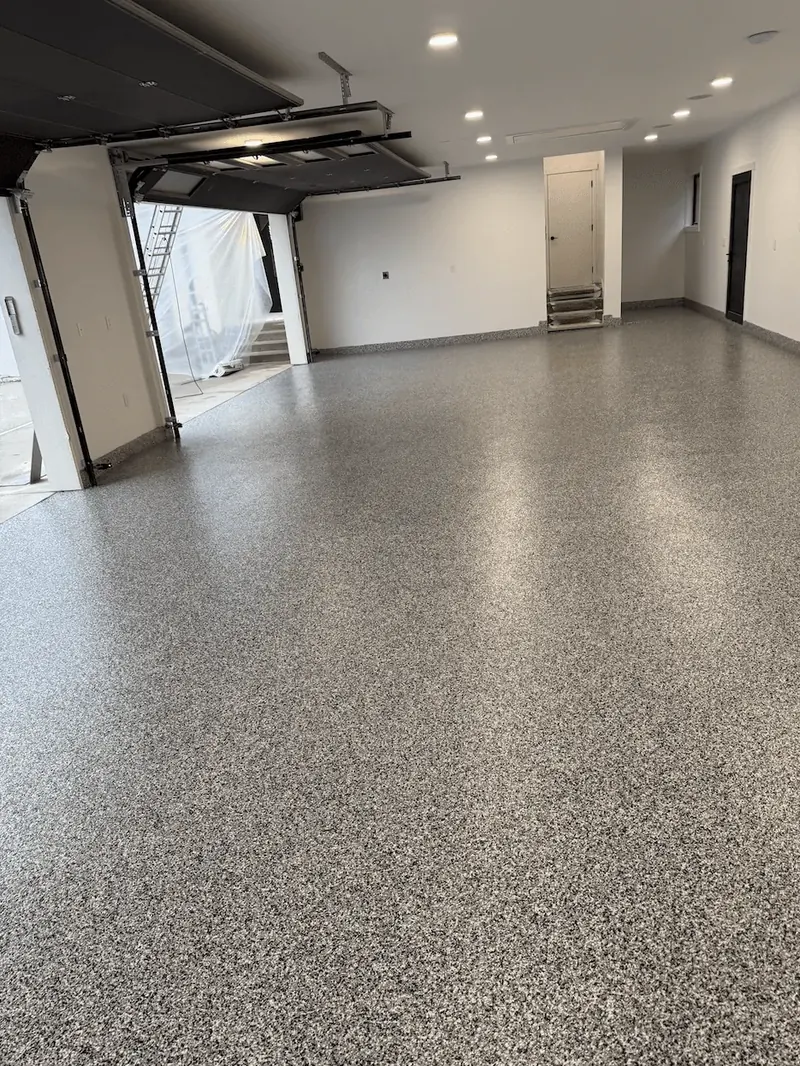
Epoxy floor installers near me
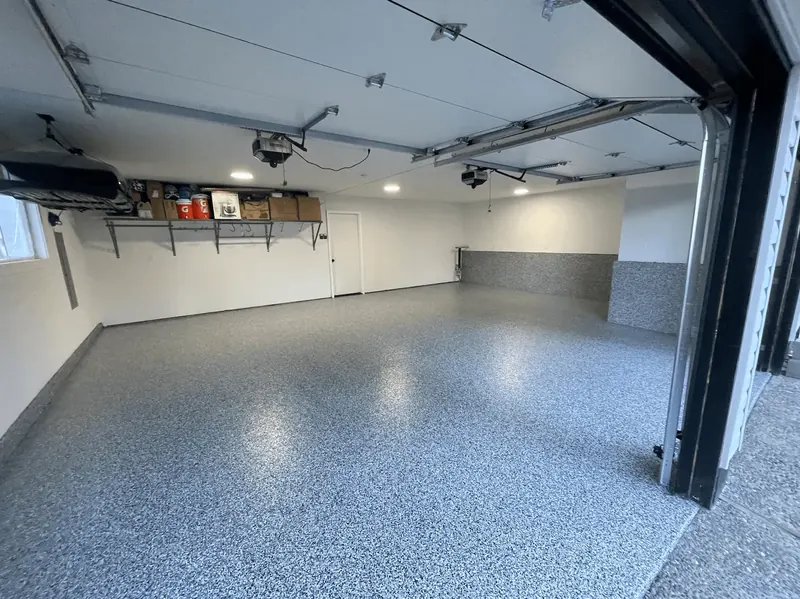
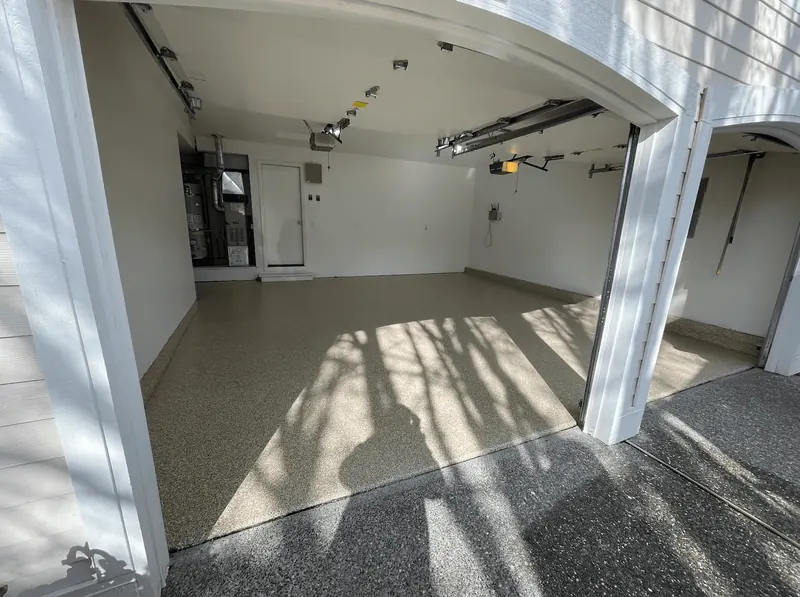
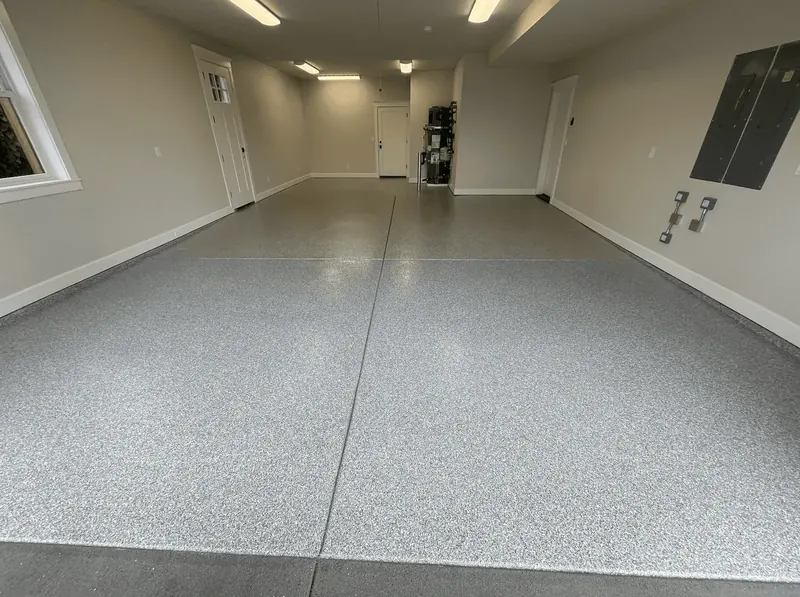
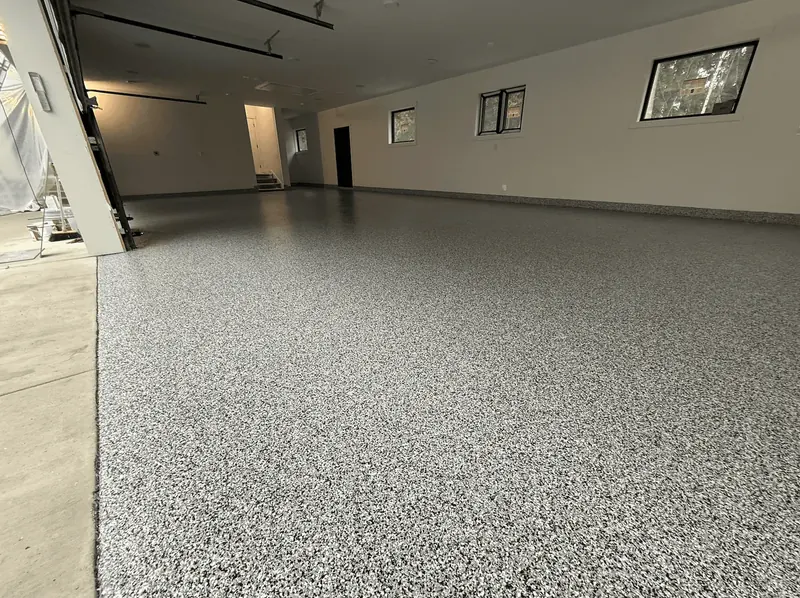
Read what homeowners say on our reviews page, look at the floors below, then call (206) 895-7444 and ask us the six questions. We'll enjoy it.
- Seattle
- Seattle
- Shoreline
- Bothell
- North
- Eastside
- Bellevue
- Redmond
- Kirkland
- Sammamish
- Issaquah
- South
- Renton
- Kent
- Federal Way
- Tacoma
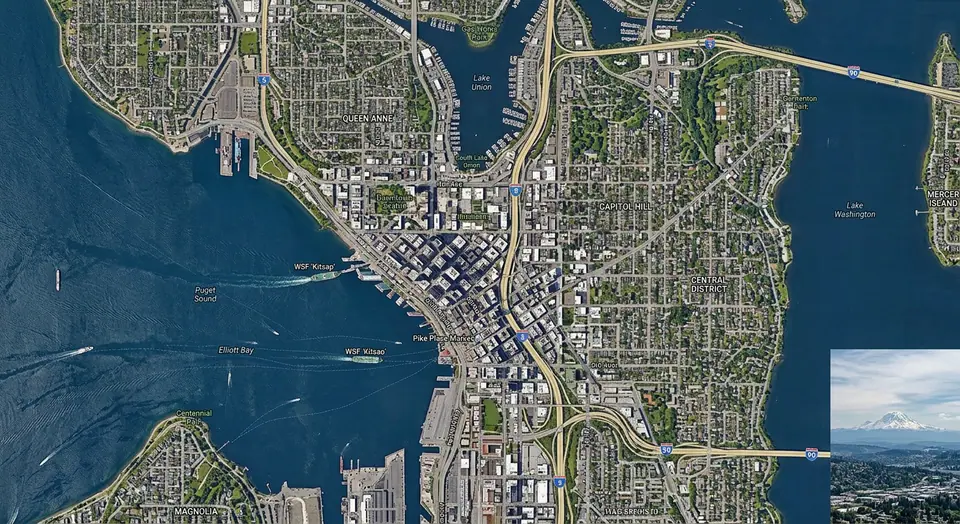
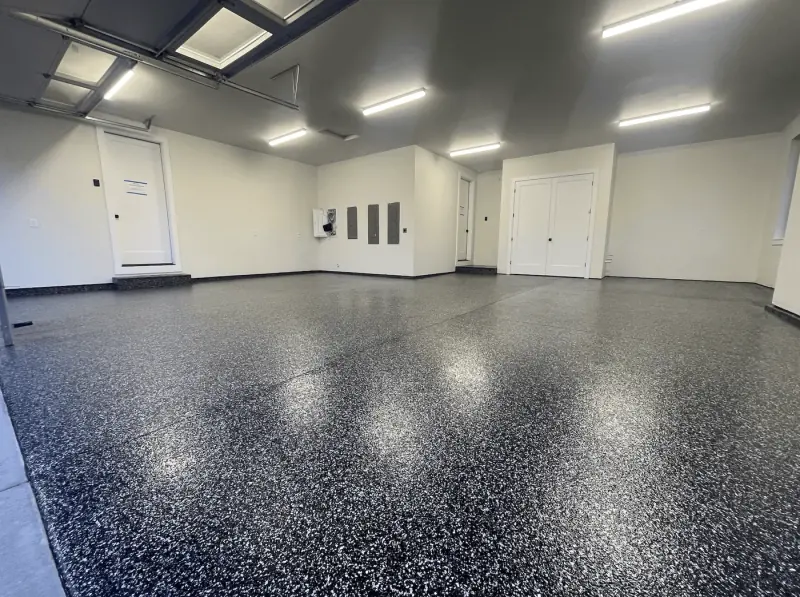



Hiring epoxy floor installers in Seattle: your questions
How do I choose an epoxy floor installer in Seattle?
Get three quotes and compare them on prep, moisture testing, named products, crack repair and warranty wording, not on price. Ask to see a floor installed in the last few months near you, and read reviews with photos spread over a few years. The cheapest quote is almost always a thinner product, not a better deal.
Are you epoxy flooring contractors or polyaspartic installers?
Both, in the way most people mean it. We're garage floor coating installers. The floor we put down is a polyurea base with full flake under a clear polyaspartic topcoat, which is the upgrade on plain epoxy for a Seattle garage: it cures in the cold, handles damp air, never yellows, and takes a car after 72 hours.
How much do epoxy floor installers charge in Seattle?
Across the Seattle market, roughly $4 to $12 per square foot installed, so a two-car garage commonly runs $1,600 to $5,800. The low end is a thin coating with light prep. The high end is diamond grinding, crack repair, a moisture barrier and a polyaspartic topcoat. Our installation cost page breaks it down.
Should I hire a painter to epoxy my garage floor?
Only if they'll prep it the way a coating company would: diamond grinding, a moisture test, crack repair and a clear topcoat. A coated floor fails from below, not from the finish. If the plan is to clean and etch the slab and roll two coats, you're buying a paint job, and it'll last like one.
What's included in your quote?
Everything, by name: the square footage, the grinding, crack and joint repair, the moisture test and the barrier if your slab needs it, the base coat, full flake and polyaspartic topcoat, cure times, the warranty wording, and on a Premium floor the included upgrades listed at $0. It's written, itemized and final.
How many quotes should I get for a garage floor coating?
Three. More than that and they blur together. Ask every installer the same six questions and put the answers side by side. If one quote has blanks where the prep and the moisture test should be, that explains its price.
Keep reading

Put us on your list of three
Free 20-minute estimate. We answer every question on this page and leave an exact price in writing.