
Garage Floor Coating in Shoreline, WA
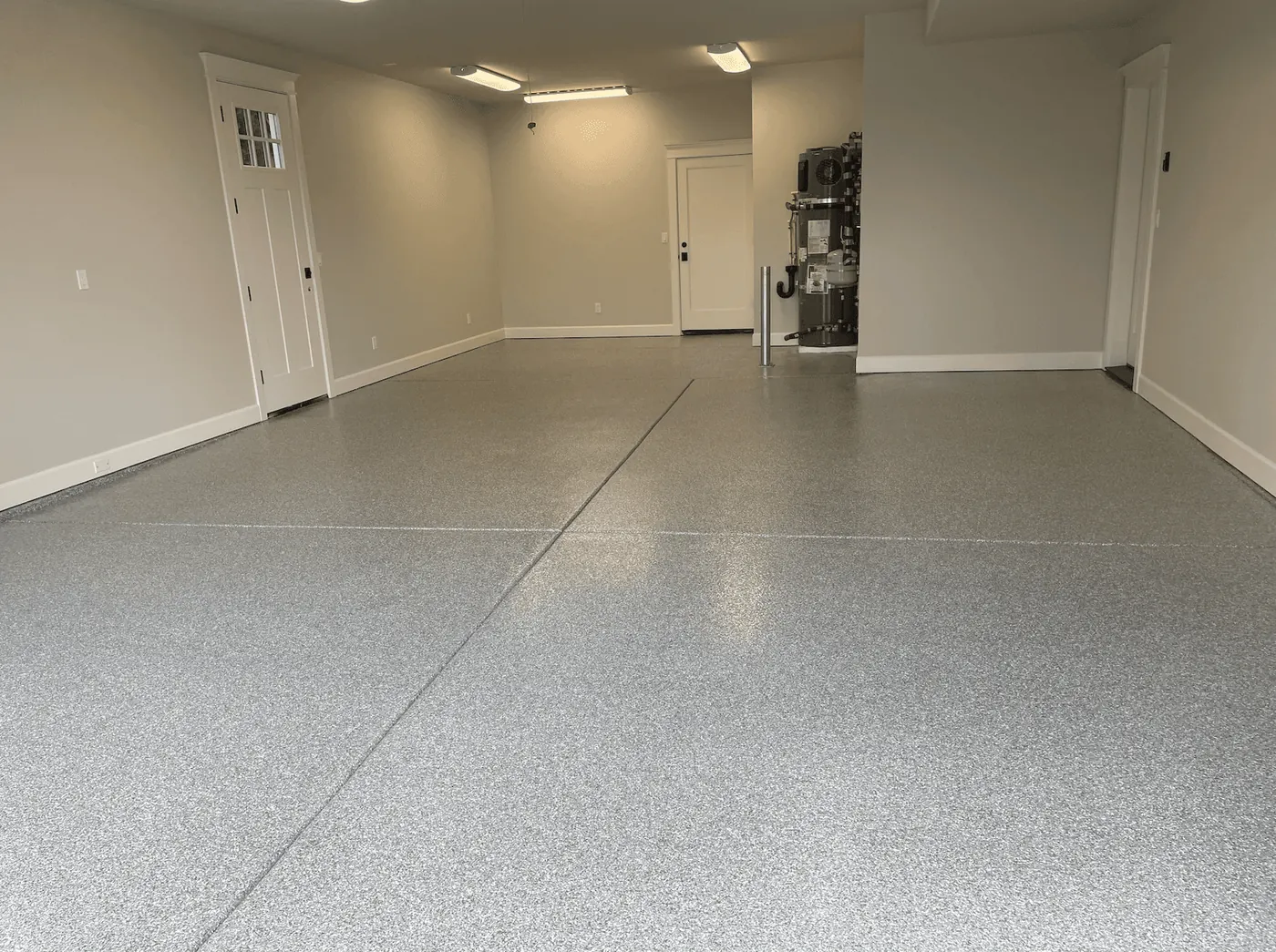
In Shoreline, every wet drive ends on your garage floor. Bare concrete drinks in the water, the oil and the road grime. Our garage floor coating gives you a flake floor with a clear topcoat that wipes clean, over a slab we test and grind first. The estimate is free, at your house.
- Free estimate at home
- Every slab moisture-tested
- Park again in 72 hours
- Lifetime adhesion warranty
What garage floor coating in Shoreline gets you
Task Force Garage installs garage floor coating in Shoreline, WA. We diamond-grind your slab, then lay a polyurea base coat, full vinyl flake and a clear polyaspartic topcoat with anti-slip grit. We moisture-test every slab before we price it. Most floors go in over one or two days, and the estimate at your house is free.
Once it's down, a wet November night gets easier. You pull in, the rain beads up on top, and in the morning a squeegee sends it out the door. Oil drips wipe up, and the flake hides the old stains your slab has collected.
Searching for an epoxy garage floor in Shoreline? Plenty of people call any flake floor epoxy. What we install is the upgrade over an epoxy floor, with the same prep and the same look. It cures faster, flexes with your slab and won't yellow in the sun. You park on it after 72 hours instead of about a week.
The free visit takes about 20 minutes. You get a written price, itemized line by line, that you can lay beside any other installer's quote. You don't have to decide on the spot.
Is your Shoreline garage a 1950s original?
More of Shoreline's homes date from the 1950s than from any other decade, and plenty of them are ramblers with the garage tucked into the floor plan. If yours is one, your slab was likely poured straight onto gravel. Builders back then rarely laid plastic under a garage.
Under that gravel, most of Shoreline sits on glacial till, the hardpan your shovel hits when you dig a fence post. Rain soaks through it slowly, so from about January to March the ground stays wet a couple of feet down, right under your slab.
So we meter-test every slab before we quote it, and we look for the tells: white chalky spots, dark damp patches, old paint that peeled. A high reading, or two of those signs, means our moisture barrier primer goes down first. You'll know what your floor needs before you sign anything.
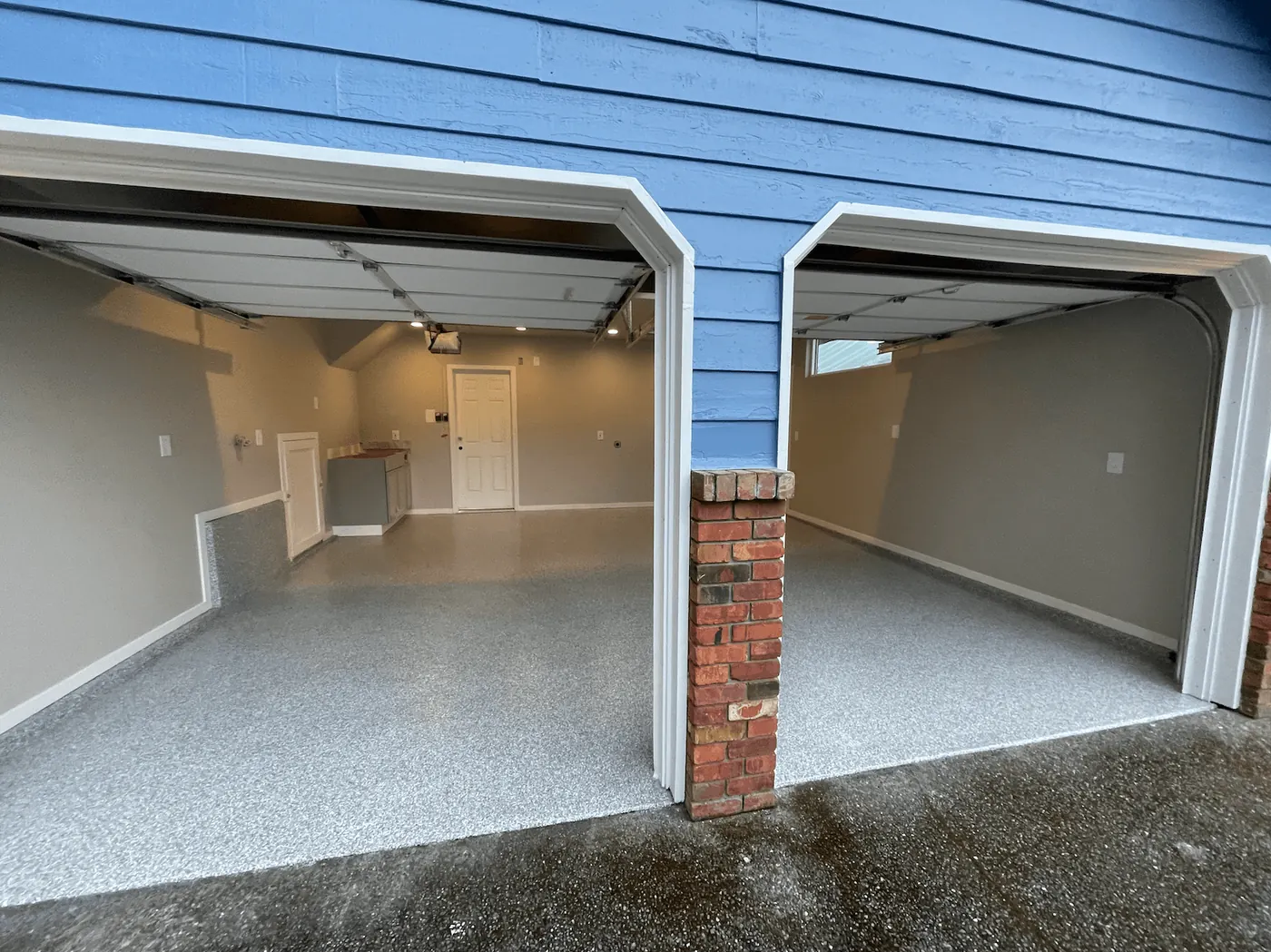
One small Shoreline garage, four jobs
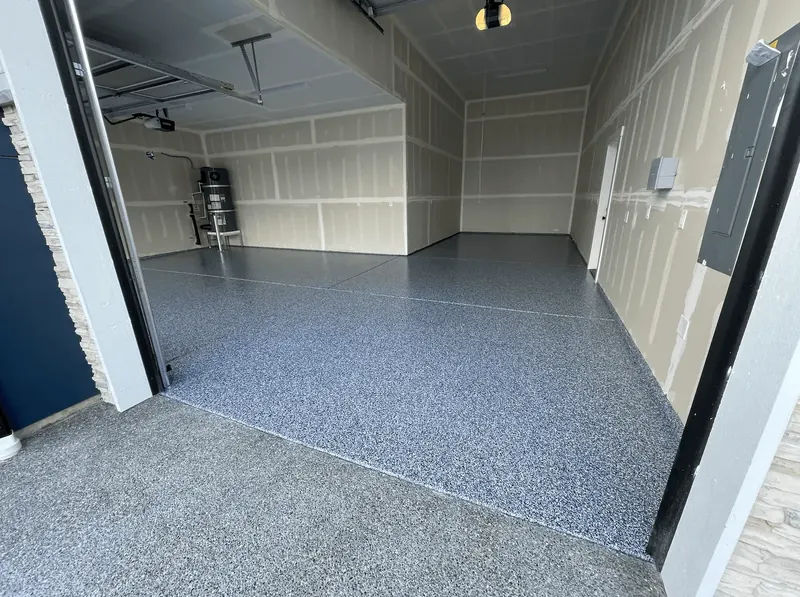
A lot of rambler garages were built for one car and a lawnmower. Yours probably holds a good deal more by now, and a coated floor makes each of those jobs easier.
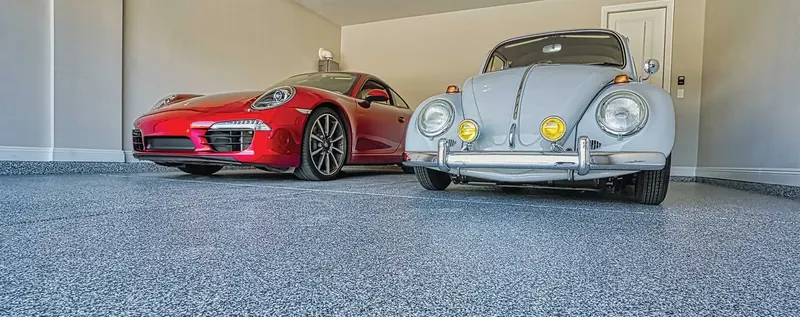 Parking
The car
Pulling in wet is normal here. Rain and road grit sit on the topcoat instead of soaking in, and the anti-slip grit keeps your feet under you on the way inside.
 Workouts
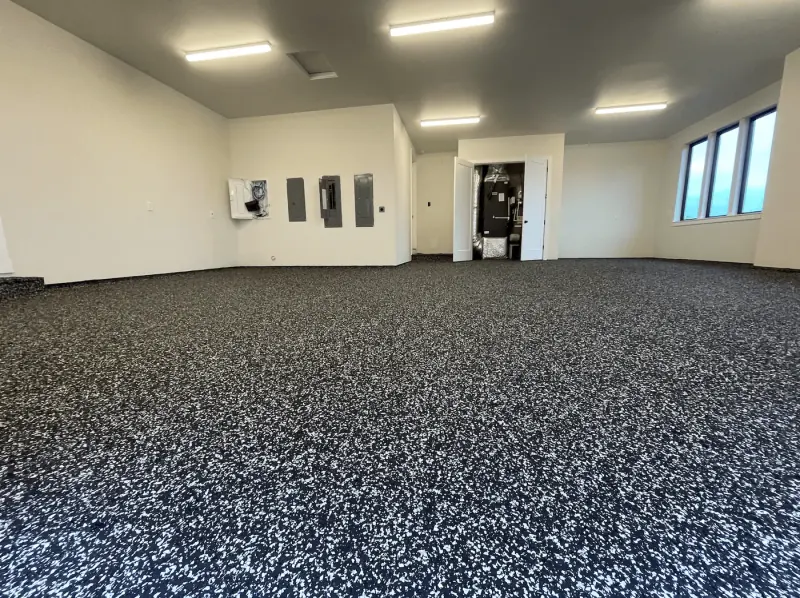
The home gym
Sweat and chalk wipe right up, and the flake hides bench scuffs. Keep rubber mats where the weights land, though. Dropped iron dents any floor, ours included.
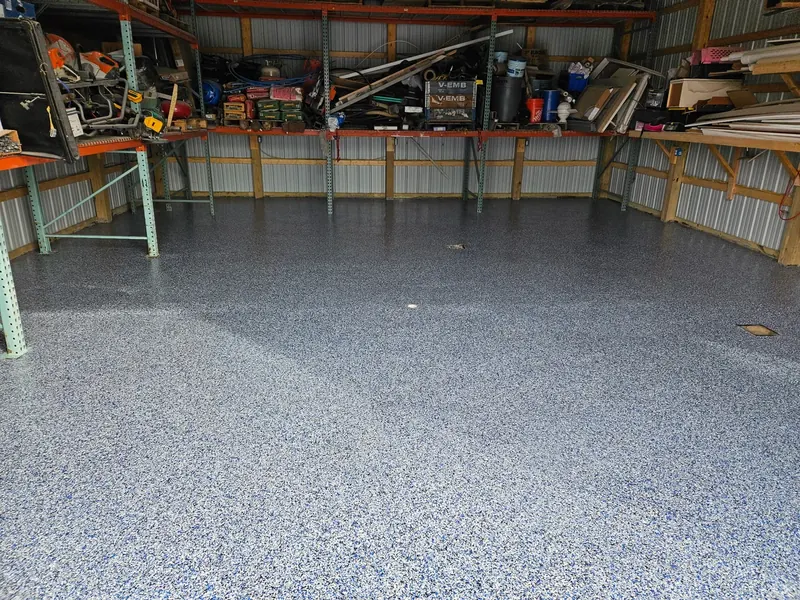 Projects
The workshop
Sawdust sweeps up in one pass. Spilled oil or paint thinner wipes off the topcoat, and the busy flake pattern hides the small marks your working floor collects.
 Storage
The storage room
Cardboard on bare concrete can turn damp and musty by spring. On a sealed floor, a spill or a wet boot stays on top. Your keepsakes still belong on a shelf.
When the convergence zone parks over Shoreline
You know the days. Renton and Tacoma get sun breaks while a band of showers sits over the north end, and your wipers never get a rest. Forecasters call it the Puget Sound Convergence Zone. It forms between north Seattle and Everett, and Shoreline sits right inside that stretch.
So from fall into spring, your car comes home wet more often than not. On bare concrete, that water carries road grime into the slab. When a freeze is coming, the city pre-treats the roads with an anti-icing agent, and that rides home on your tires too.
On our floor, all of it stays on top of the clear coat, and a squeegee pushes it out the door. The grit in the topcoat gives your shoes some bite on a wet floor, which helps when you're carrying groceries in from the car.
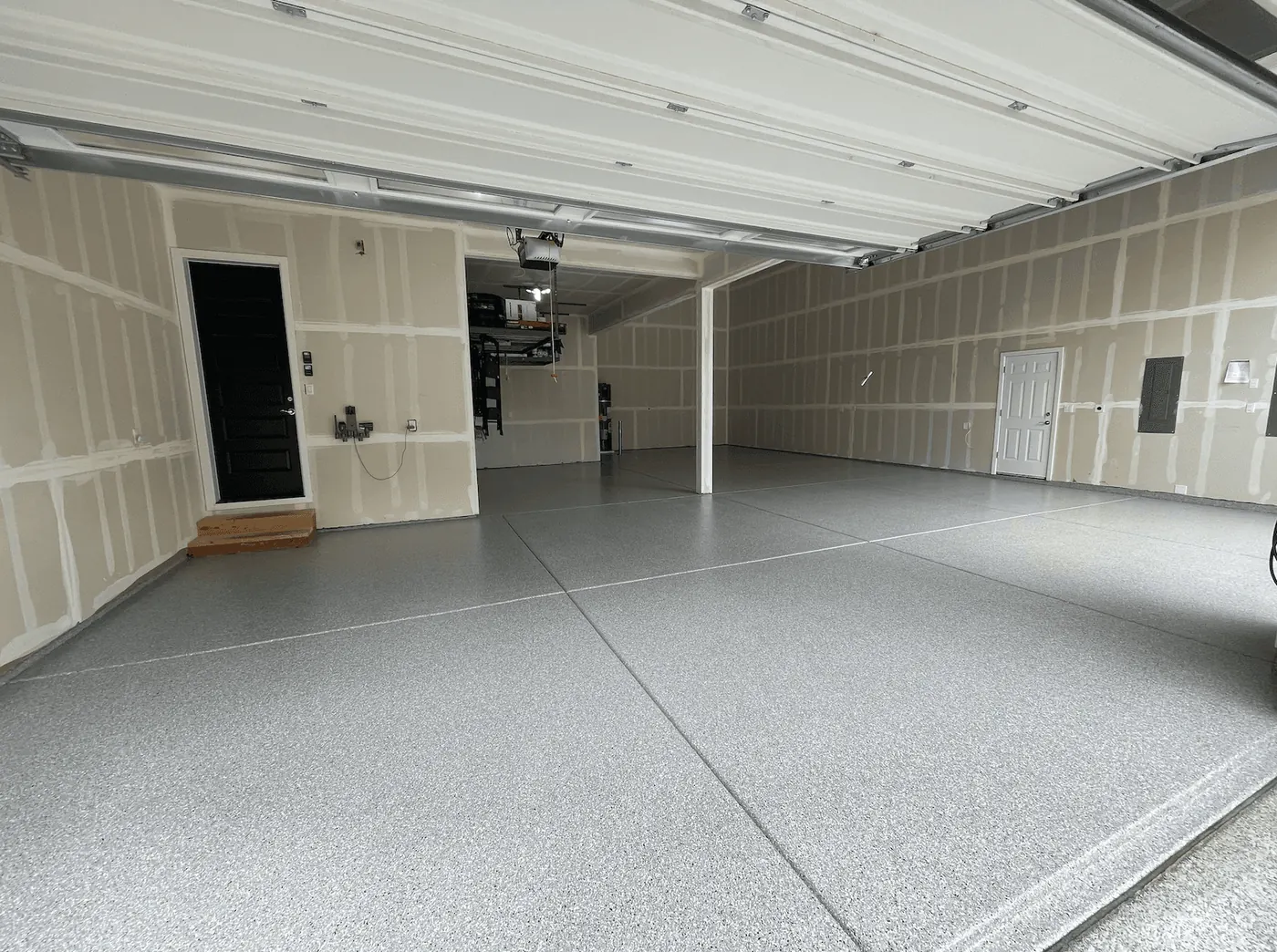
Which kind of Shoreline garage is yours?
Find your kind of house below. Each one needs something a little different before the flake goes down, and you'll know what we'll look at first when we walk in.
| Your house | Where you'll see it | What your slab usually needs |
|---|---|---|
| A '50s or '60s rambler | Ridgecrest, Briarcrest, Meridian Park, Echo Lake, North City | A careful moisture read. Your slab likely has no plastic under it. Old paint or sealer gets ground off, and every crack gets filled. |
| A view home on the slope | Richmond Beach, Innis Arden, The Highlands | Often the barrier. If your garage is cut into the hill, plan on the primer. We take readings in more than one spot. |
| A new townhome | Near the 148th and 185th light rail stations | Time to cure. A brand-new slab needs about four weeks, then a grind through the slick finish the builder left. |
Install day in a Shoreline garage
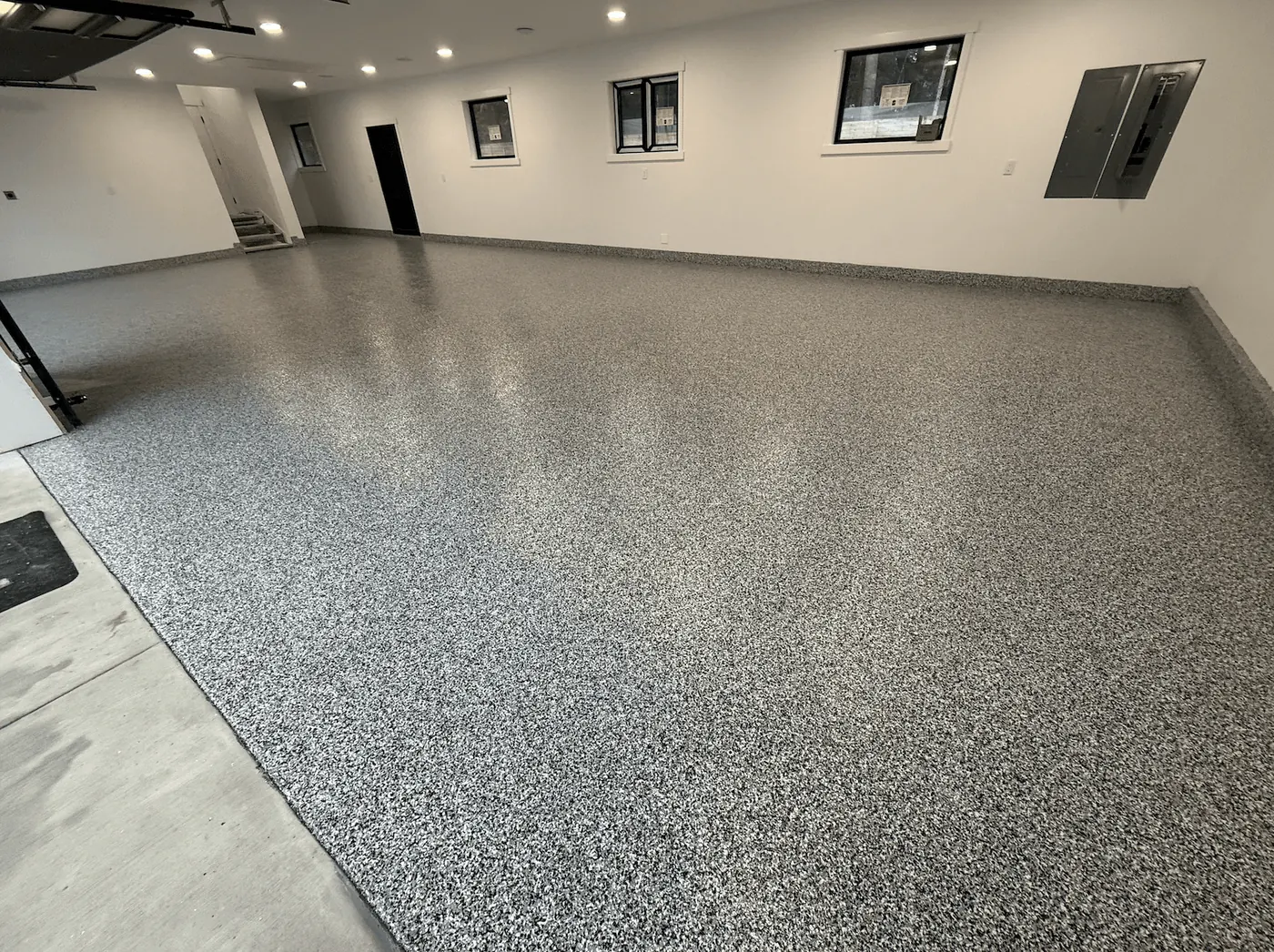
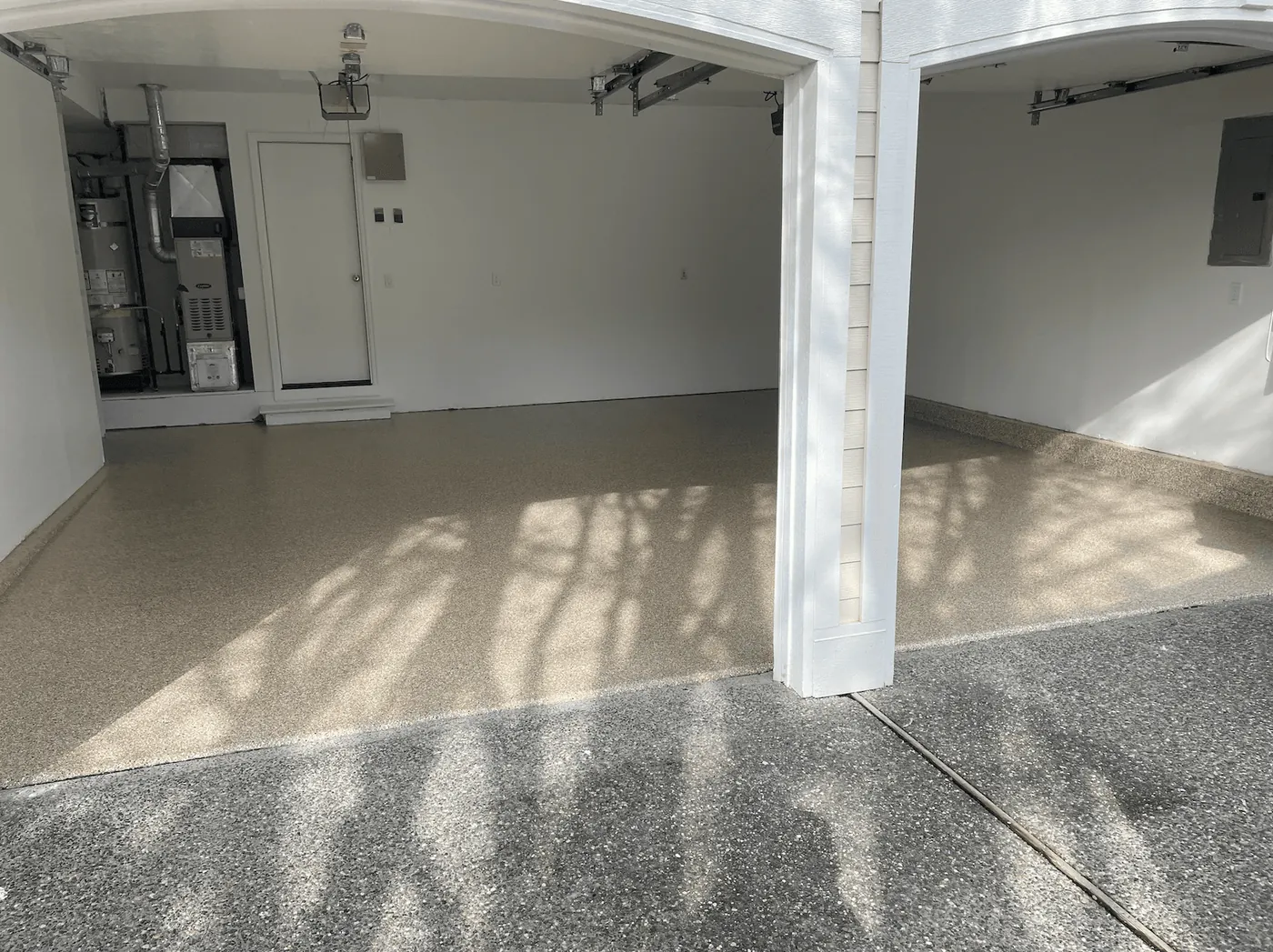
On a dry slab, it runs like this. If yours needs the barrier, the same work spreads over two days, because the primer cures overnight. You clear the garage beforehand, and we take it from there.
Grind and repair
We diamond-grind the whole slab, corners too, and vacuum the dust as we go. Cracks and joints get filled flush. The barrier primer goes on now if you need it.

Base coat and flake
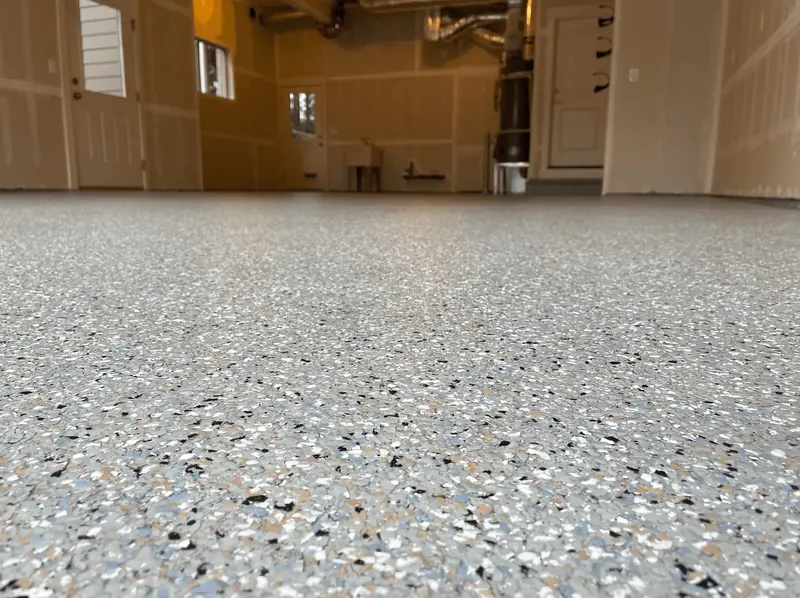
The polyurea base coat goes down, and we broadcast vinyl flake into it by hand until none of the base shows. That full cover hides the old patches in your slab.

Clear topcoat
We scrape off the loose flake and vacuum, then roll on the clear polyaspartic topcoat with anti-slip grit. It's the layer the rain and the oil will meet.
Back in the garage
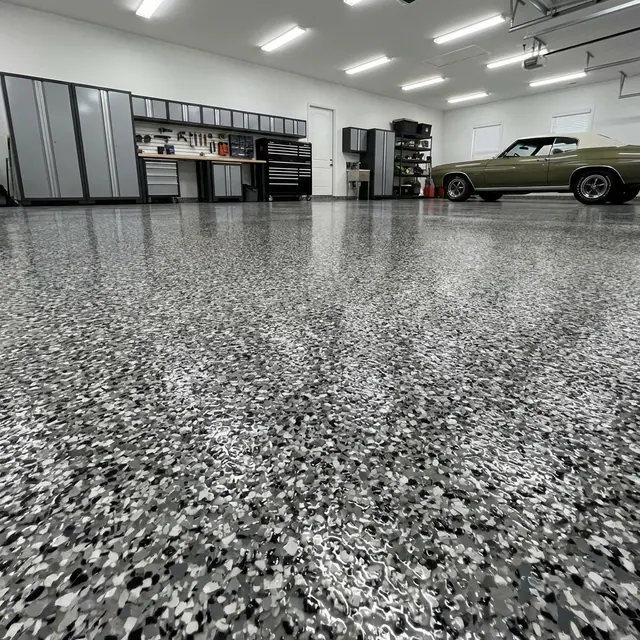
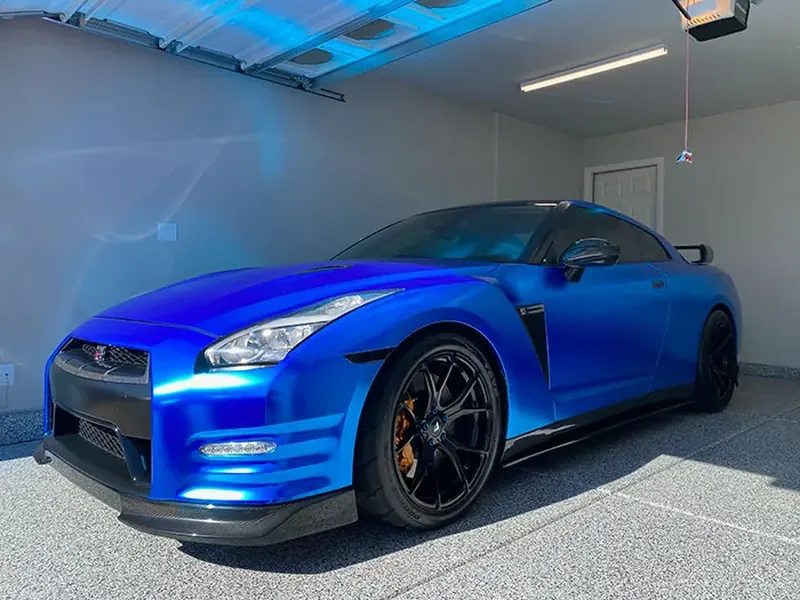
Walk on it the next day and park on it after 72 hours. It keeps hardening for about a week, so go easy dragging the weight bench around at first.
What garage floor coating costs in Shoreline
You'll get your exact price in writing once we've measured and tested your slab. For a ballpark, most pro-installed floors across the Seattle area land in these ranges.
- $835–$3,340a one-car garage
- $1,600–$5,800most two-car garages
Size moves your number most. Then come the cracks to fill, any old paint to grind off and whether your slab needs the moisture barrier. On a rambler-era slab, that last one matters most. Our Seattle-area cost guide has the details.
Putting the house on the market next spring? You may not need every Premium extra, and we'll tell you which ones to skip. If you're staying, Premium adds the barrier, cove base, coated steps, a flake design session and a one-year checkup at no extra charge. See what's included.
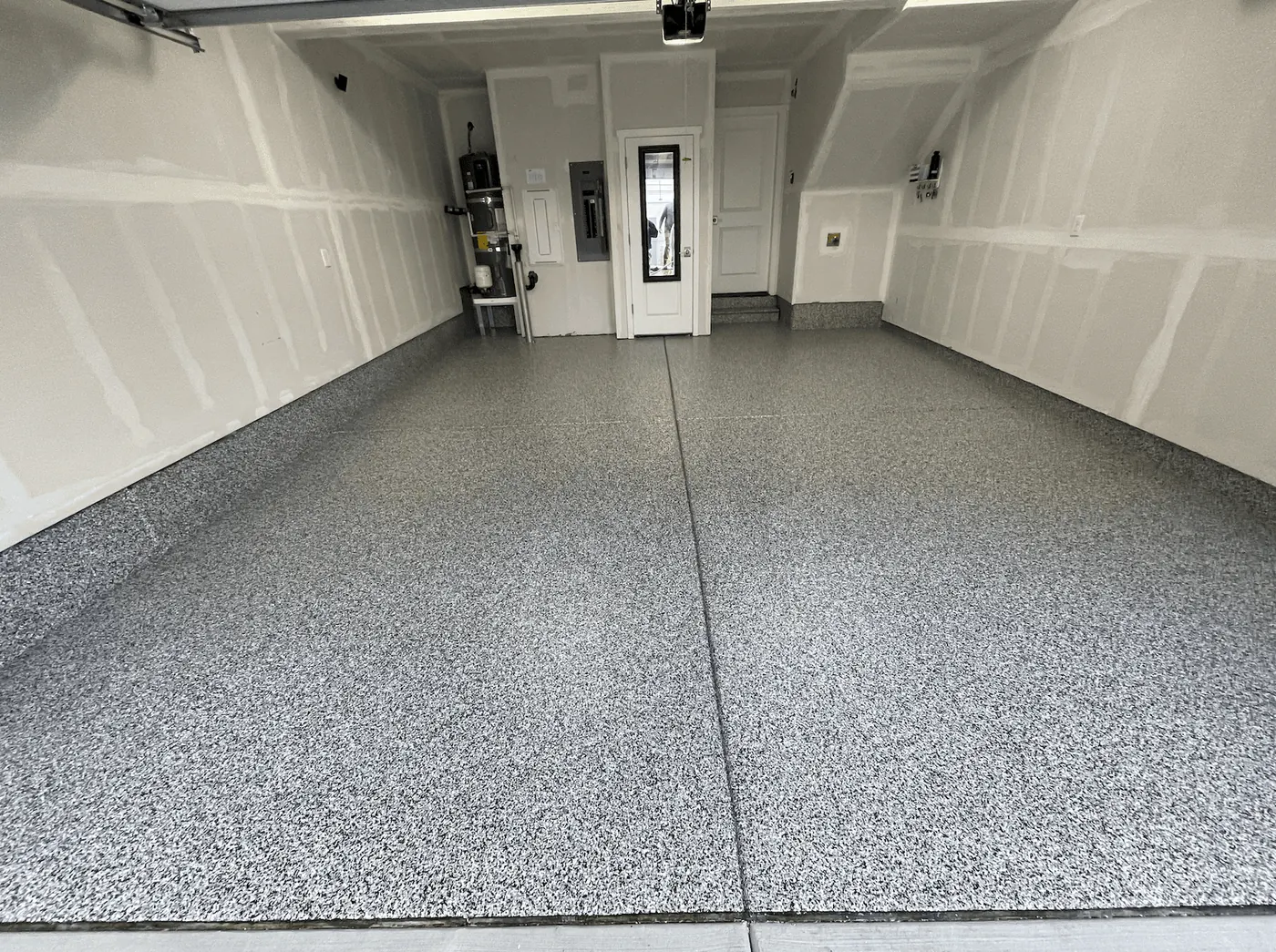
Shoreline neighborhoods we cover
We work all over Shoreline, from the bluffs above the Sound to the Lake Forest Park line. Here are some of the neighborhoods, by ZIP code. If yours isn't listed, you're still covered.
- 98133
- Echo Lake
- Meridian Park
- Parkwood
- Highland Terrace
- 98155
- North City
- Ridgecrest
- Briarcrest
- Ballinger
- 98177
- Richmond Beach
- Innis Arden
- The Highlands
- Hillwood
Just over the line? We also coat garages in Lake Forest Park, Edmonds, Lynnwood and Kenmore.
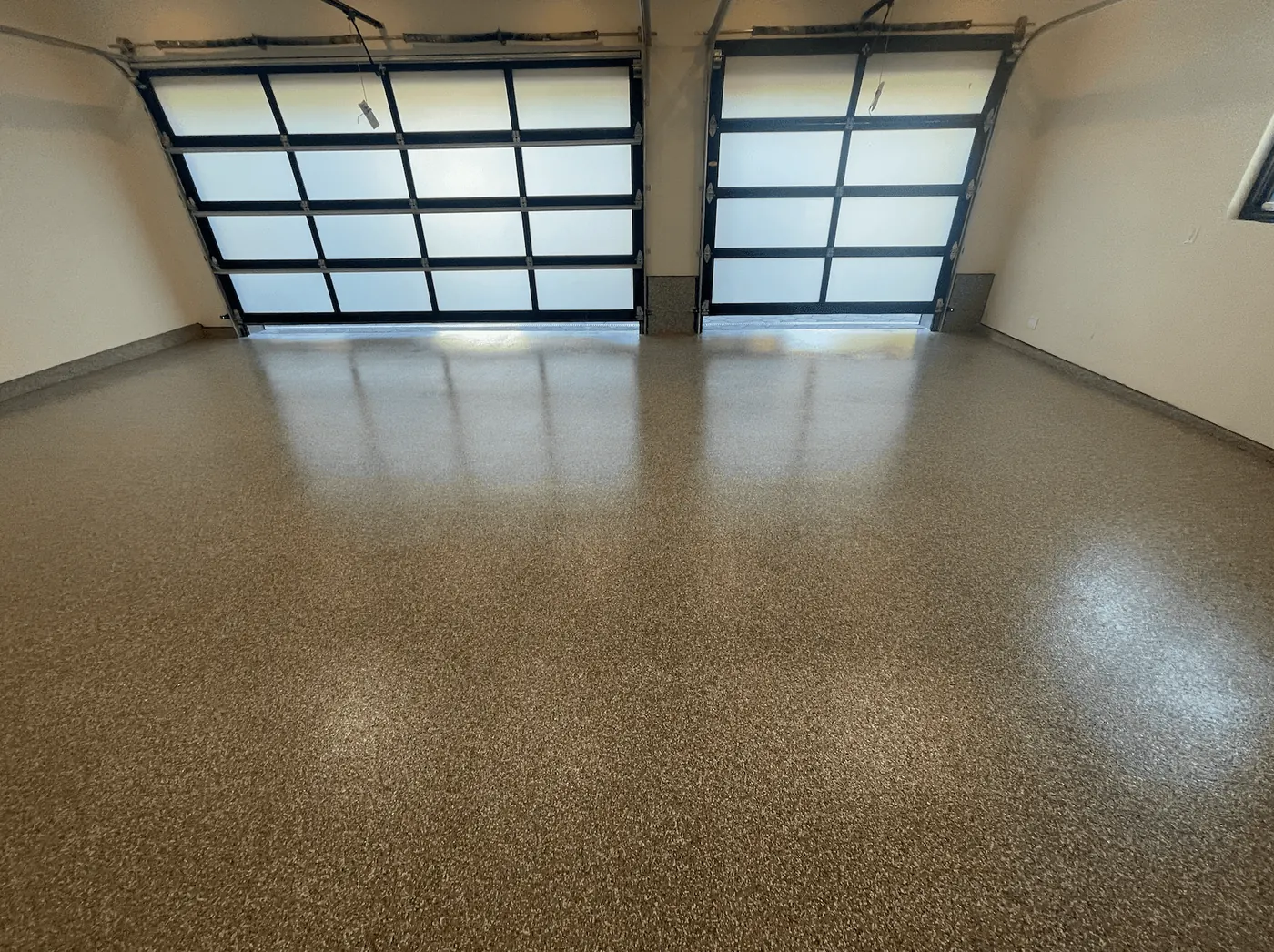
Picking flake colors, a.k.a. epoxy chips
In a small Shoreline garage under a gray sky, a light blend keeps things bright, and a busy mid-tone hides the grit between mops. Start with these seven, browse the gallery, or try a color on a photo of your own garage.



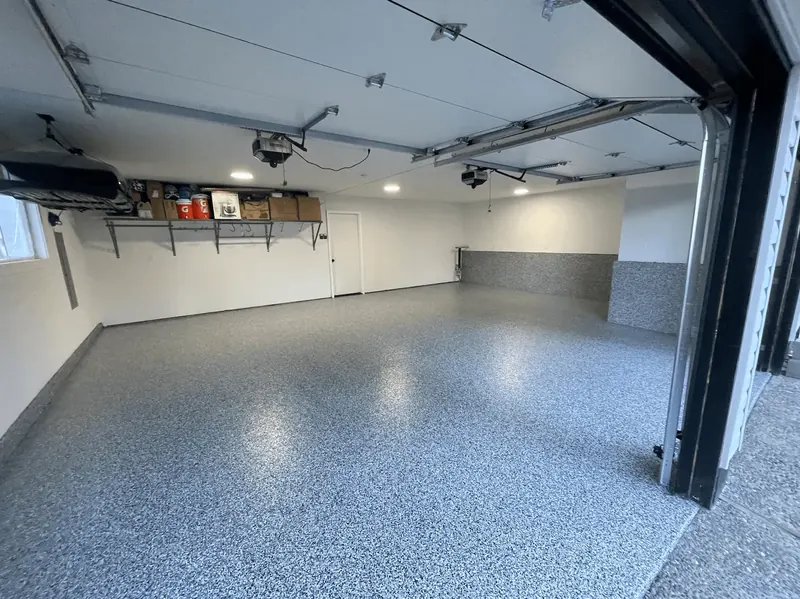



Shoreline garage floor coating questions
How much does garage floor coating cost in Shoreline, WA?
Across the Seattle area, most pro-installed floors run about $835 to $3,340 for a one-car garage and $1,600 to $5,800 for a two-car. Where yours lands depends on size, crack repair, any old paint to grind off and whether your slab needs the moisture barrier. You get the exact number in writing after the free estimate. Here's what happens at the estimate.
Do you install epoxy garage floors in Shoreline?
We install the step up from an epoxy garage floor: a polyurea base coat and a clear polyaspartic topcoat, with the same full-flake look. Next to plain epoxy, ours sets up in hours, bends a little when the slab moves, and holds its color in sunlight. You park in three days instead of about a week, and it can go down in winter, when epoxy usually waits for summer.
Can a 1950s Shoreline garage slab be coated?
Yes. An older slab just needs more prep. We grind off old paint or sealer and fill the cracks, then test for moisture with extra care, because slabs from that era rarely have plastic underneath. If the meter or the warning signs call for it, the barrier primer goes down first, and your job takes two days instead of one.
How soon can a new townhome garage be coated?
Give a brand-new slab about four weeks to cure. After that, the townhomes going up by the light rail make good candidates. We grind through the slick finish the builder left so the coating can grip, then test for moisture like any other slab. Doing it before the moving boxes land makes your install day easier.
Do you work in Richmond Beach and Innis Arden?
Yes, and in every other Shoreline neighborhood, from Hillwood and Richmond Highlands to Ridgecrest and North City. On the hillside lots above the Sound, tell us if your garage is cut into the slope or sits below the street. A garage set into a hill is the one most likely to need the moisture barrier, so we read the slab in a few spots.
Can I choose my own flake colors, or epoxy chips?
Yes, you pick the blend, and Premium includes a design session if you'd like help. Light blends brighten a small garage, while busy mid-tones hide dust and tire marks between cleanings. To see them first, browse our flake colors, or upload a photo of your garage to our color studio and try a few on your own floor.
Can you coat a garage floor during a Shoreline winter?
Yes, once your slab passes the moisture test. Epoxy wants a warm slab, so most epoxy jobs around Seattle wait for summer. Our base and topcoat cure across a much wider temperature range. On install day, the slab and the air need to stay at least five degrees above the dew point, and we check that before we start. Winter dates are easier to get, too.
Will a coated floor hold up to Shoreline rain?
Rain on top just wipes off. What can lift a coating is moisture pushing up from under the slab. That's what our test looks for, and the barrier primer stops it when your slab needs one. Over a ground, tested slab, your floor carries a lifetime adhesion warranty, and keeping it nice takes a squeegee and the odd mop.
Find out what your Shoreline slab needs
We'll measure your garage, test the slab for moisture and write up your price line by line. The visit takes about 20 minutes, there's no pressure to sign, and your floor carries a lifetime adhesion warranty.